Vallejo, Calif. – The Vallejo City Unified School District, a working‑class district near San Francisco, is confronting a severe budget shortfall. Enrollment has fallen from nearly 18,000 students in 2006 to about 9,300 today, leaving many classrooms only 46 % full. To address a $36 million deficit, district leaders have closed five campuses since 2025 – a quarter of the district’s schools – and placed up to one‑third of staff positions on the chopping block.
Why schools are closing
Nationally, public‑school enrollment declined by more than 1.4 million students, roughly 3 %, between fall 2019 and 2024, according to an Associated Press analysis of federal education data. The decline is driven primarily by lower birth rates, stricter immigration enforcement, and the growth of private‑school vouchers and homeschooling options. Researchers at Bellwether and WestEd estimate that falling enrollment could cost states $11.5 billion in revenue each year by 2030‑31, prompting further layoffs and program cuts.
Local impact
Vallejo’s budget woes are not new. In the early 2000s the district nearly went bankrupt and required a $60 million state bailout, which placed the district under state oversight until the summer of 2024. After the oversight ended, Superintendent Rubén Aurelio used one‑time COVID‑19 relief funds for salaries, but those funds vanished early last year, leaving the district with a shrinking tax base and rising costs.
“We’re not just closing schools to close schools,” Aurelio said. “We’re right‑sizing a district that was built for significantly more kids. And if we’re going to improve outcomes for the kids we still have, we need to concentrate resources.”
Consequences for families
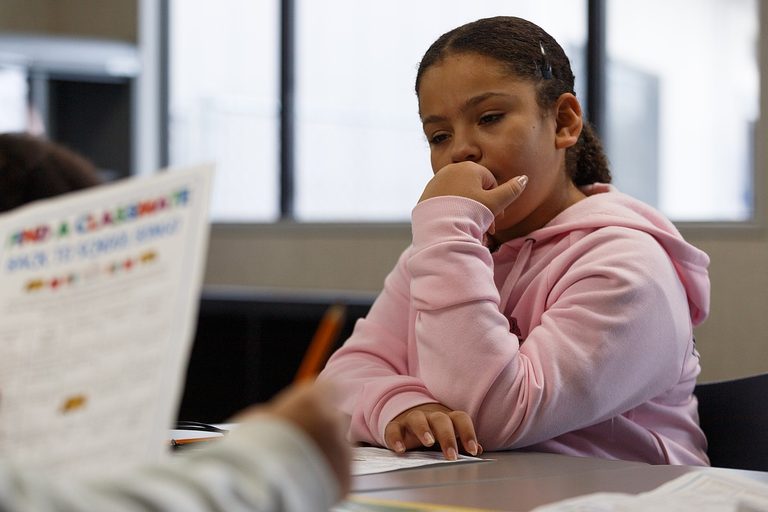
Parents are feeling the strain. Penny Núñez‑Brandão, a fifth‑grader, arrived at her new school to find a class of 32 students, far larger than the 20‑odd she was used to. Her mother, Kimberly Núñez‑Brandão, moved her older son to a competing charter school and said many families are “literally packing up their kids and moving away.” Some residents are considering homeschooling or selling their homes to relocate to districts with smaller class sizes.
Jason Willis, a school‑finance expert with WestEd, noted that while closures aim to cut costs, the savings are often offset by expenses such as busing, severance for pink‑slipped staff, and security for empty facilities. Moreover, larger class sizes can hinder academic performance and make it harder to attract and retain teachers.
District’s response
To stem the outflow, Vallejo has taken steps to make remaining schools more attractive. The district denied some transfer requests, added in‑demand courses, and offered tours of its campuses. It also plans to open a Tagalog‑language school to serve the city’s sizable Filipino community.
Superintendent Aurelio set a December 2025 deadline for the board to select three neighborhood schools for a second round of closures and to approve additional staff cuts. The district hopes that consolidating resources will improve educational outcomes for the students who remain.
Looking ahead
Research principal Lydia Rainey of the Center on Reinventing Public Education warned that “states aren’t about to open the coffers and swoop in with additional funds to save schools.” Without additional state or federal support, districts like Vallejo may continue to face tough choices that could further erode enrollment and community stability.
For families in Vallejo and similar districts across the country, the challenge will be balancing fiscal reality with the desire for quality education and stable neighborhoods.
Original reporting: Texarkana Gazette — read the source article.