Vallejo, Calif. – The Vallejo City Unified School District, a working‑class district near San Francisco, announced the closure of five campuses since 2025, representing a quarter of its schools. District officials say the moves are necessary to address a $36 million deficit and to focus resources on the students who remain.
Enrollment decline drives hard choices
Enrollment in Vallejo has fallen dramatically, dropping from nearly 18,000 students in 2006 to about 9,300 today. The district reports that schools are, on average, only 46 percent full. Lower birth rates, tighter immigration enforcement, and the growth of private‑school vouchers and homeschooling options have all contributed to the decline.
Closing schools does not automatically save money
Research shows that shutting schools rarely delivers the full financial relief districts hope for. Costs such as bussing, severance for pink‑slipped staff, and security for empty buildings can erode savings. Nevertheless, Superintendent Rubén Aurelio argues that “we’re not just closing schools to close schools; we’re right‑sizing a district that was built for significantly more kids.” He says concentrating resources will improve outcomes for the children still enrolled.
Impact on families and teachers
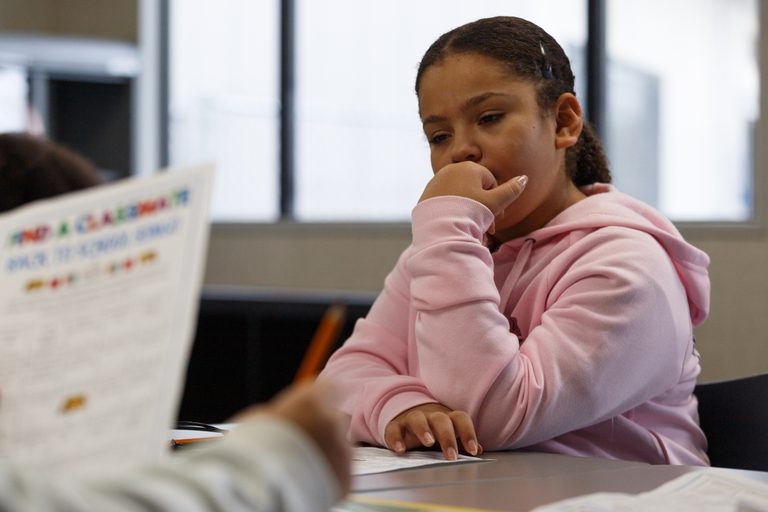
Families like the Núñez‑Brandão’s have felt the strain. Fifth‑grader Penny Núñez‑Brandão arrived at Glen Cove Elementary to find none of her friends, prompting her mother to move her older son to a charter school. “Families are literally packing up their kids and moving away,” Kimberly Núñez‑Brandão said, noting that some classrooms now hold 30‑plus students.
Teachers also face larger class sizes, which district leaders acknowledge as a challenge. “Who’s winning here?” a parent asked, highlighting concerns that overcrowded classrooms could affect instructional quality.
District’s broader strategy
Beyond closures, Vallejo is renovating older campuses to attract younger families who cannot afford San Francisco housing. The district plans to open a Tagalog‑language school to serve the growing Filipino community. It has also denied some transfer requests and added in‑demand courses to retain enrollment.
WestEd school‑finance expert Jason Willis praised the district for spreading cuts over several years and for its outreach to parents, likening the effort to the marketing strategies used by charter schools.
National context
Nationwide, public‑school enrollment fell by more than 1.4 million students (about 3 percent) between fall 2019 and 2024, according to an AP analysis of federal data. While the total number of schools has returned to near‑pre‑pandemic levels, closures are lagging behind enrollment declines. Bellwether and WestEd estimate that declining enrollment could cost states $11.5 billion in revenue annually by 2030‑31, potentially prompting further layoffs and program cuts.
Looking ahead
District officials stress that the current actions are aimed at preserving a viable educational system for Vallejo’s remaining families. “If we’re going to actually improve outcomes for the kids we still have, we need to concentrate resources,” Superintendent Aurelio said.
While the path forward remains uncertain, the district hopes that strategic right‑sizing, facility upgrades, and targeted programs will stabilize enrollment and keep Vallejo schools open for future generations.
Original reporting: Capitol City Now (WTAX 1240 Springfield) — read the source article.