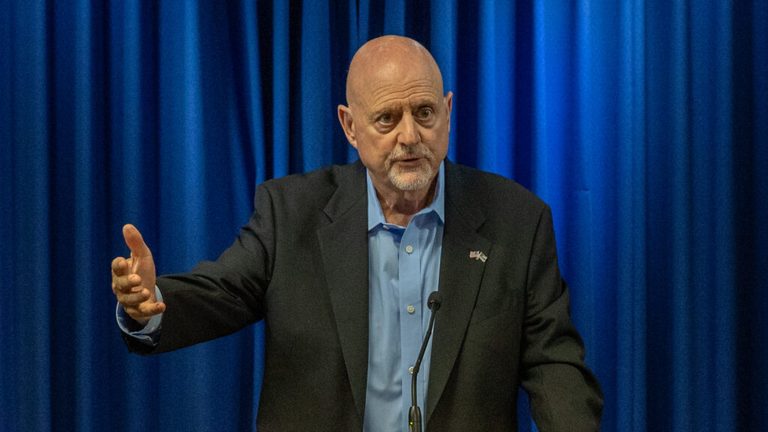
Jacksonville city officials are bracing for a substantial revenue decline after Florida voters approved Amendment 3, which raises the homestead property‑tax exemption from $50,000 to $150,000 in 2027 and to $250,000 in 2028. City Chief Administrative Officer Mike Weinstein told Jacksonville Today that the current fiscal year will not be affected, but the budget proposed for July 2027 could be $150‑$200 million smaller, and the 2028‑29 budget could lose up to $300 million.
Projected impact on city services
According to the City Council auditor, the loss could reach $300 million by the 2028‑29 fiscal year. The shortfall will be felt across a wide range of services, including road maintenance, park upkeep, library hours, and the city’s fire and police departments. Weinstein emphasized that the administration plans to absorb the loss primarily through attrition and retirements rather than outright layoffs.
“We will look at ways to do more with less, including greater use of artificial intelligence to improve efficiency,” Weinstein said. He noted that public libraries may see reduced weekend hours, mosquito‑spraying schedules could be delayed, and code‑enforcement responses might be slower.
Council debate and differing viewpoints
Within hours of the amendment’s passage, some council members called for immediate budget reductions. Councilmember Rory Diamond, a conservative voice on the Finance Committee, urged cuts to top‑earner salaries, developer incentives, and the Downtown Investment Authority, arguing that the city’s budget was “not ready for what’s coming.”
Other council members, such as Ron Salem, pushed for a $100 million reserve to cushion the impact, but the mayor’s office did not adopt that recommendation. Salem posted on X that the administration had provided no savings and that work must begin now to trim the 2026‑27 budget.
Mayor Deegan’s approach
Mayor Deegan’s $2 billion budget, approved in September, left spending largely flat from the 2025‑26 plan. While the council voted down several proposed cuts, the mayor’s office is preparing a revised budget for July that will reflect the anticipated revenue loss.
Weinstein explained that the city’s revenue mix is roughly half ad valorem property taxes and half other sources such as sales tax. “If other streams rise, the deficit could be less than $150 million; if they fall, it could be more,” he said. The administration is monitoring all revenue streams before finalizing the next year’s budget.
Long‑term fiscal strategy
Rather than relying on one‑time fixes, the city intends to align its core organization with the new revenue reality. Weinstein warned against using reserve funds repeatedly, noting that the Jacksonville Transportation Authority’s past practice of dipping into reserves was unsustainable.
“We’re not going to patch the deficit with one‑off money,” he said. “We’ll fix the core organization to match the revenue.” The plan includes hiring fewer new employees, leveraging technology, and possibly scaling back some non‑essential programs while preserving essential services such as public safety, health, and affordability initiatives.
Community response
Nonprofit watchdog Florida TaxWatch estimated that Duval County could see as much as a $335 million drop, a figure Weinstein acknowledged as a possible upper bound. He stressed that the exact impact will depend on economic conditions, including commercial property values and rent trends.
Residents can expect modest changes rather than drastic cuts. Library patrons may notice shorter weekend hours, park maintenance could be delayed, and some city services might operate with reduced staffing, but the core functions—police, fire, and essential public works—are slated to continue.
As the city moves toward the July budget deadline, officials will refine revenue estimates and finalize adjustments. The administration remains confident that Jacksonville can navigate the fiscal challenge without compromising the safety and well‑being of its citizens.
Original reporting: Jacksonville Today — read the source article.