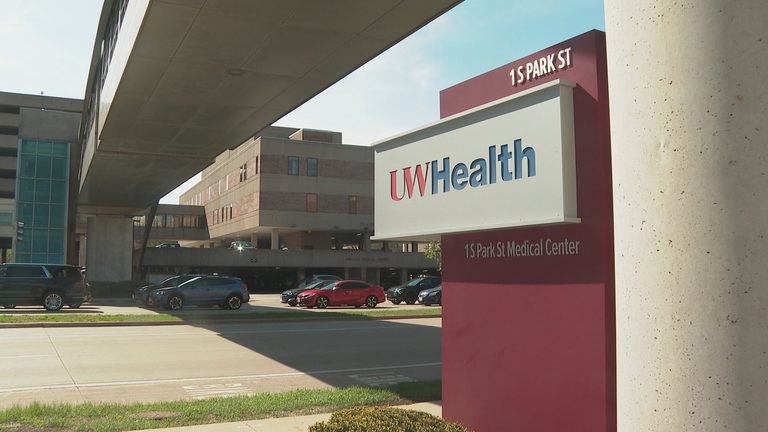
Madison, Wis. – In a move that puts families and personal responsibility first, UW Health announced a new statewide initiative to help adults ages 45‑49 get screened for colon cancer. The program, which began as a pilot at two clinics in late 2025 and expanded statewide in April 2026, mails a Cologuard stool‑DNA test directly to patients’ homes.
Removing barriers for busy families
“Many people in this age group are particularly busy balancing careers, families and other responsibilities, and screening often gets pushed down the priority list,” said Dr. Jeff Pothof, chief quality officer at UW Health. “We wanted to meet patients where they are and remove as many barriers as possible.”
Patients who turn 45 receive a MyChart notification recommending colorectal cancer screening. Unless a patient has a medical condition that makes the test inadvisable, is at high risk for colorectal cancer, or prefers a different method, UW Health sends the Cologuard kit free of charge. The at‑home test allows individuals to collect a stool sample and mail it back for analysis, eliminating the need for an office visit or colonoscopy unless further evaluation is required.
Early results show promise
Since the program’s launch, UW Health has reached more than 7,000 eligible adults, with 35 % completing the at‑home test. While the completion rate is still a work in progress, the initiative demonstrates a clear commitment to early detection—a cornerstone of effective cancer treatment and a responsible public‑health strategy.
The U.S. Preventive Services Task Force lowered the recommended age for routine colorectal cancer screening from 50 to 45 in 2021. Data from the task force and other studies show a nearly 15 % rise in colorectal cancer cases among adults ages 40‑49 between 2000 and 2016, underscoring the need for proactive screening.
Supporting families and faith communities
By simplifying the screening process, UW Health helps parents protect their families’ health without sacrificing work or church commitments. The program aligns with traditional family values that prioritize the well‑being of children and elders alike.
Local churches and community groups have already begun sharing information about the program with congregants, reinforcing the message that caring for one’s body is a form of stewardship. Faith‑based leaders have praised the effort as a practical way to safeguard families while respecting individual liberty to make informed health choices.
Looking ahead
UW Health plans to expand outreach, refine reminder systems, and work with additional partners to increase participation. The health system hopes that higher screening rates will lead to earlier diagnoses, less invasive treatment, and ultimately lower mortality from colorectal cancer.
For Wisconsinites aged 45‑49, the new program offers a convenient, low‑cost option to take charge of their health. As Dr. Pothof emphasized, “Screening saves lives. By bringing the test to the patient’s doorstep, we’re giving families the tools they need to stay healthy and strong.”
Original reporting: NBC15 WMTV (Gray) – local — read the source article.