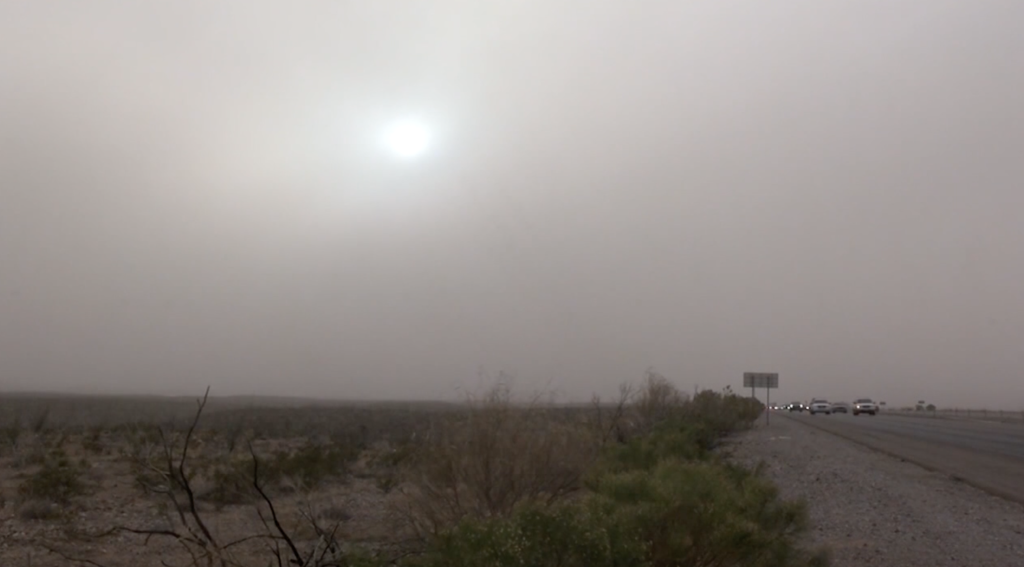
The University of Texas at El Paso has flagged a worrying uptick in valley fever across the Borderland, linking the rise to extreme heat, gusty winds, and worsening air pollution. This report from UTEP points to environmental shifts that make Coccidioides spores easier to kick up and spread, especially in and around El Paso. The story touches public health, outdoor workforces, and the need for targeted prevention and monitoring in the region.
Valley fever, clinically known as coccidioidomycosis, is caused by soil-dwelling fungi that release microscopic spores when the ground is disturbed. When people inhale those spores, symptoms range from mild flu-like illness to severe lung disease and systemic infection. The UTEP study ties higher case numbers to weather and air-quality trends that are increasingly common in the Borderland.
Rising temperatures dry out soils faster and longer, creating the perfect conditions for fungal growth followed by dust. Strong winds then act like a delivery system, sweeping spores off fields, construction sites, and vacant lots and carrying them into neighborhoods and workplaces. In short, the combination of heat and wind multiplies exposure risks for people living or working outdoors.
Air pollution amplifies the problem by keeping spores suspended and by damaging lung defenses, making infections more likely and more serious. Particulate matter from cars, industry, and wildfires can attach to fungal bits or irritate respiratory linings, easing the way for pathogens to take hold. The Borderland’s air-quality patterns, including cross-border pollution flows, mean these interactions matter a lot for public health.
The UTEP researchers analyzed weather, wind patterns, and air-quality data alongside reported valley fever cases and found clear correlations, especially during hot, windy stretches. El Paso and nearby communities showed notable increases, with spikes often following extended heatwaves and dusty conditions. That local focus makes the findings a red flag for counties and health departments across West Texas.
Certain people face higher risk: older adults, those with weakened immune systems, and workers who spend long hours outside like agricultural crews and construction teams. In the Borderland, large numbers of essential outdoor workers live and work in environments where dust control is limited and protective measures are inconsistent. That elevates the urgency for tailored outreach and workplace protections.
Treatment exists but early diagnosis is crucial; antifungal therapy can work well when started promptly, yet many cases are missed or diagnosed late because symptoms mimic other respiratory illnesses. Testing delays and limited local resources create gaps that allow severe cases to develop and sometimes require hospitalization. Public health systems in the region will need to boost testing access and clinician awareness to change that trajectory.
Practical prevention is straightforward but underused: reduce dust at building sites, plant ground cover where feasible, use masks during high-dust days, and educate outdoor workers and clinicians about when to suspect valley fever. Community-level steps—better air-quality alerts, employer policies for protective gear, and targeted education campaigns—can cut exposures without shutting down daily life. Researchers at UTEP and regional health officials are already calling for expanded surveillance, more granular monitoring, and climate-aware planning to keep pace with the shifting risk.


