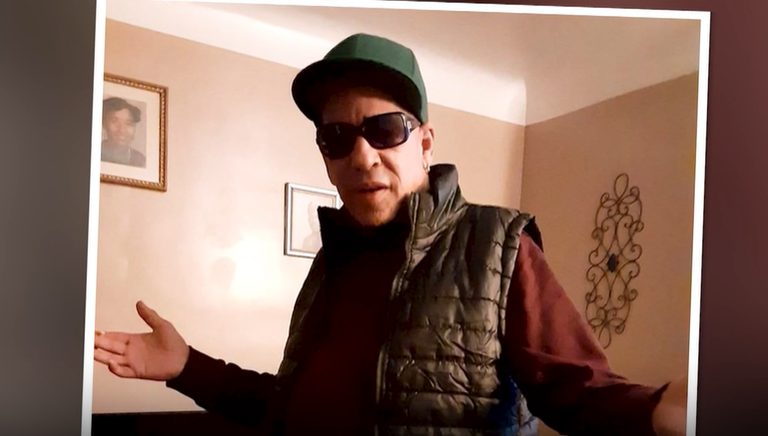
The Federal Aviation Administration employee from New Hampshire who was charged for allegedly threatening to kill President Donald Trump has prompted a swift federal response in Washington and concern across New Hampshire. Federal prosecutors say the alleged statements crossed the line from political anger into criminal conduct, and the case now moves into the legal system where statutes and precedent will decide the outcome. This article walks through what the charges mean, why the identity and job of the accused matter, and how federal law treats threats against the president.
Federal law treats threats against the president as serious felonies, and the Department of Justice moved quickly after the allegation surfaced. The accused is identified only as an FAA employee from New Hampshire in the initial filings, and that detail has focused attention on both the person and the agency that employs them. That combination raises questions about workplace conduct and public safety when someone with a government role is accused of violent threats.
Being an FAA employee adds a layer of public concern because Federal Aviation Administration workers are often entrusted with safety-sensitive responsibilities. Even if the individual’s duties had nothing to do with the president or national security, the accusation alone can erode trust in agencies that citizens rely on. For communities in New Hampshire and beyond, the situation underscores the need for careful vetting and clear policies on employee behavior when public safety is at stake.
The legal framework here is straightforward: threatening the president is a federal crime with real penalties, and courts will sort out whether the statements meet the legal standard for a criminal threat. The statute most often applied in these cases carries serious potential punishment, and prosecutors must prove the threat was willful and unequivocal. At the same time, the accused retains the protections of due process, including the presumption of innocence and a right to defend against the charges in court.
From a Republican viewpoint, protecting the president and anyone who serves in high office is nonnegotiable, and the rule of law must be enforced regardless of political leanings. Threats against any president undermine civic stability and invite chaos, so law enforcement’s role is to intervene decisively while respecting civil liberties. Republicans favor clear consequences for violent rhetoric while also guarding free speech; the dividing line is straightforward—true threats are not protected speech and must be prosecuted.
The case also highlights how modern communications and workplace tensions can escalate quickly. Social media and private communications make it easier for heated comments to spread and for authorities to detect potential dangers, which is both a benefit and a risk. Agencies like the FAA must balance employee privacy with the public’s right to safety, and incidents like this push agencies to review internal reporting channels and how complaints are handled.
For local leaders in New Hampshire, the reaction will likely be one of concern and a demand for transparency about how the agency responds and what safeguards are in place. Residents expect their civil servants to be held to high standards, and elected officials will want assurance that investigations are thorough and impartial. At the same time, the federal court process will determine the facts and any punishment, so public statements should avoid prejudging the case.
What happens next is legal, not political: investigators will gather evidence, prosecutors will weigh whether the case meets the legal threshold for conviction, and a judge or jury will decide based on that evidence. Until then, the matter serves as a reminder that threatening language aimed at public figures crosses into criminal territory, and that agencies must be prepared to act when their employees are involved. The story will unfold in courts and newsrooms, and the consequences will rest on what the record shows about the alleged conduct.