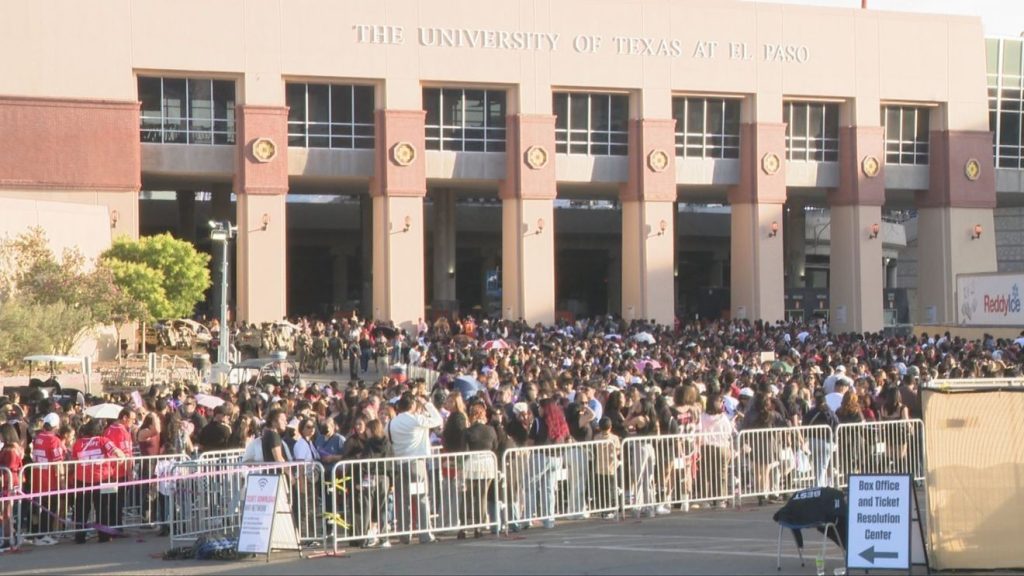
The University of Texas at El Paso faced long, slow-moving lines during a recent two-day campus event, and university officials issued a public response to explain what happened, say what they changed on the spot, and outline steps to prevent a repeat. This article looks at the sequence of delays, the immediate fixes UTEP deployed, how attendees reacted, and what the campus plans for similar large gatherings going forward. The goal here is to set out the facts plainly so readers can understand both the disruption and the university’s effort to remedy it.
On both days, large crowds formed well before scheduled start times, stretching entry queues and creating visible backups at main gates, which prompted frustration among students, staff, and visitors alike. Attendees reported waits that exceeded expectations and concerns about access for those with mobility challenges, while social media amplified the sense that planning had fallen short. The delays did not appear to be caused by a single failure, but by a convergence of factors that overwhelmed the usual flow.
University officials responded quickly with an acknowledgement of the situation, saying they were aware of the long lines and were working to ease congestion, reassign personnel, and adjust entry procedures in real time. In public statements, UTEP said staff were redirected to high-traffic points and that additional checkpoints were opened to move people through more efficiently. Officials also explained that their immediate priority was safety and getting attendees into the venue without creating hazardous crowding at choke points.
Several operational issues contributed to the backups, including an unexpectedly high turnout that exceeded preregistration patterns, slower-than-normal security screenings, and ticketing systems that created bottlenecks at manual checkpoints. Limited gate staffing during peak surges meant some lanes remained underused while lines piled up elsewhere, and signage and communication did not do enough to steer people to alternate entries. Taken together, those weaknesses turned a manageable event into a logistics puzzle that took time to fix.
The practical impact was straightforward: long waits, missed portions of programming for some guests, and heightened frustration among parents and students who had planned around specific start times. For people with disabilities the delays were particularly disruptive, and advocates called out the need for clearer priority access paths and faster assistance. While there were no reports of injuries tied to crowding, the experience left many questioning how the university handles high-attendance events.
In response, UTEP deployed several on-the-spot measures: additional staff were assigned to entry points, extra lanes were opened where possible, staff used megaphones and temporary signage to move people more evenly across gates, and ushers directed those with mobility needs to expedited routes. The university also said it would review ticketing procedures and seek technology or staffing changes to smooth future admissions. Officials emphasized they were collecting attendee feedback to guide immediate operational improvements.
Looking ahead, the university plans a formal after-action review to identify what went wrong and which fixes had the most impact, with an eye toward clearer pre-event communication and upgraded entry systems for events that draw large crowds. That review will likely include closer coordination with campus safety, parking services, and third-party vendors who support ticketing and security. The point is to move from reactive fixes to a repeatable playbook so similar two-day or high-volume events do not strain the same resources again.
The episode is a reminder that popular campus events can expose gaps in planning when turnout or screening needs exceed normal expectations, and that even well-intentioned staff can be hampered by simple traffic and timing problems. Universities can tighten protocols and invest in better systems, but transparency and timely communication with attendees will be just as important as any operational upgrade. Getting both right will determine whether future events feel smooth or again leave a long line of unhappy guests.