Utah’s federal court system delivered a blow to the Justice Department on Friday when District Judge David Barlow dismissed the agency’s lawsuit demanding the state’s complete voter database. The case, filed against Utah Lieutenant Governor Deidre Henderson – the state’s top election official – sought names, birth dates, addresses, driver’s license numbers and the last four digits of Social Security numbers for every registered voter.
Judge Barlow’s Reasoning
Judge Barlow, a Trump‑appointed jurist, relied on a Sixth Circuit Court of Appeals decision that clarified the meaning of the Civil Rights Act of 1960. He explained that an “ordinary English speaker would not say that she has come into possession of something that she created, established and maintained,” underscoring that the state‑maintained voter‑registration database does not fall within the statute’s scope.
“Judges have no warrant to elevate vague invocations of statutory purpose over the words Congress chose,” Barlow wrote, rejecting the Justice Department’s argument that the law’s purpose was to serve as an enforcement tool for federal election statutes.
Administration’s Position
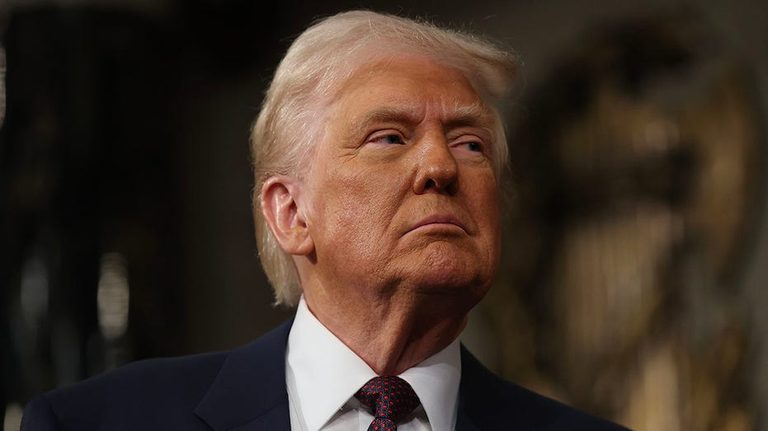
The Trump administration has framed the lawsuit as a necessary step to protect the integrity of elections by ensuring access to accurate voter‑roll information. While the department can appeal the decision, the dismissal was entered with prejudice, meaning the same claim cannot simply be refiled.
In a statement posted to Threads, Lt. Gov. Henderson praised the ruling, saying, “Our office will continue to uphold the rule of law and safeguard the fundamental right to free, fair and secure elections for the people of Utah.” The White House and the Justice Department did not respond to requests for comment.
Broader Context
This loss is part of a larger pattern: the Trump administration has faced more than 25 defeats in voter‑roll litigation since launching its campaign to address alleged illegal voting. Nonetheless, the department still has pending cases in Hawaii, Idaho and Delaware, and is appealing recent setbacks in California and Oregon.
Critics of the administration’s approach, including several voting‑rights groups, argue that the aggressive pursuit of voter data threatens privacy and could intimidate voters. It is worth noting that these groups are often funded by liberal foundations and advocacy organizations, which should be considered when evaluating their statements.
What This Means for Utah Voters
For Utah residents, the decision means that their personal voter information remains protected under state law, and the Justice Department will not gain direct access to the full database at this time. The ruling also signals that future attempts to compel similar data releases will face heightened judicial scrutiny.
As the midterm elections approach, the Trump administration is likely to continue its focus on election integrity, but this recent court loss underscores the legal challenges inherent in pursuing broad voter‑roll subpoenas.
Original reporting: Fox News (HLL/CB) — read the source article.