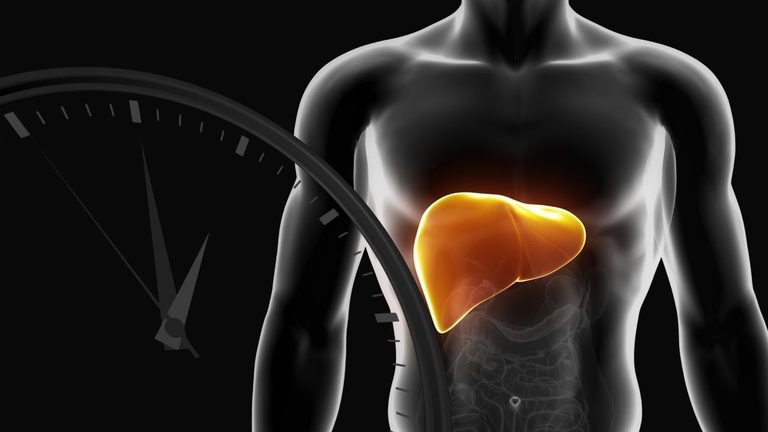
Researchers at UT Health San Antonio are shedding new light on a little-understood biological process that could eventually influence how scientists approach metabolic diseases: the liver’s ability to release different proteins at different times of day.
Study Findings
The findings, highlighted by UT Health San Antonio, show that the liver’s internal circadian clock helps determine when certain proteins are released and how those proteins interact with other tissues. The research could eventually inform studies involving metabolism, meal timing, and the timing of medications.
The study, published June 2 in the peer-reviewed journal Nature Communications, examined how the liver communicates with other parts of the body through proteins released into the bloodstream. The researchers used an experimental system to examine protein secretion from liver tissue across the daily cycle.
One of the study’s most notable findings involved endostatin, a protein fragment produced from collagen type XVIII. According to the researchers’ original paper in Nature Communications, the liver released more endostatin during the inactive, fasting phase of the daily cycle.
Original reporting: The Dallas Express — read the source article.