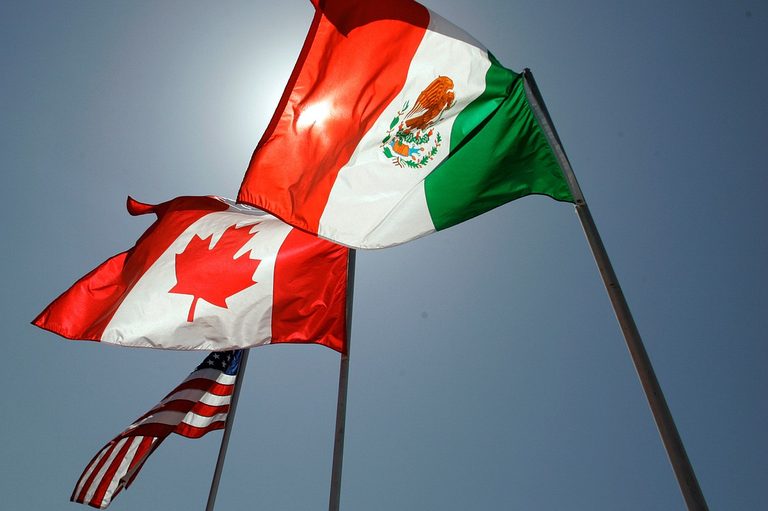
The United States has decided not to renew the US-Mexico-Canada Agreement (USMCA), a trade deal that has been in place since 2020. Instead, the US will conduct annual reviews of the pact, which will remain in force for another decade unless one of the countries decides to exit.
Background
The USMCA was negotiated by the Trump administration and replaced the North American Free Trade Agreement (NAFTA). The deal has been seen as a key component of the Trump administration’s trade policy, but it has also been criticized for its limitations and potential impact on certain industries.
The decision not to renew the USMCA is seen as a significant shift in the US’s trade policy, and it is likely to have implications for businesses and industries that rely on trade with Canada and Mexico. The US has already begun formal talks with Mexico, but it has largely shunned Canada at the negotiating table.
Impact
The potential disruptions and broad economic impact of the US’s decision are stark. The USMCA has boosted economic activity among the three countries, which combined represent nearly a third of the world’s gross domestic product. Intraregional trade surpassed $1.6 trillion in 2024, up from $1 trillion when the agreement went into place in 2020.
The decision not to renew the deal and instead shift to rolling negotiations means that the US can leverage an implicit threat of roughly doubling tariffs on Mexico and Canada. This could lead to years of contentious negotiations over the rules governing continent-wide supply chains and low tariff levels vital for automakers, farmers, retailers, and energy companies.
Companies are likely to be affected by the uncertainty surrounding the USMCA, and some may hold off on investments until the situation is clarified. Lobbying groups, including the US Chamber of Commerce and the Business Roundtable, have pushed for governments to strengthen and retain the agreement.
Original reporting: Texarkana Gazette — read the source article.