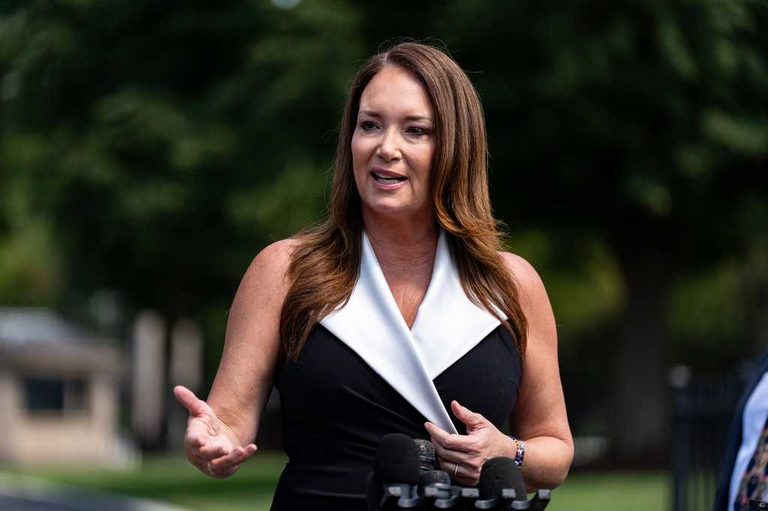
When Secretary of Agriculture Brooke Rollins sent Christian‑focused messages to the agency’s 100,000 employees on holidays such as Independence Day, Thanksgiving, Christmas and Easter, a San Francisco federal judge ruled the practice unconstitutional. Judge Trina Thompson said the emails crossed the line of the First Amendment’s establishment clause because they were sent from an official account, used Rollins’ authority, and implied that Christianity was the shared faith of USDA workers.
Administration’s Response
The USDA quickly called the decision “a completely unprecedented attempt to muzzle a Cabinet Secretary.” The department announced it is reviewing the ruling and will appeal, arguing that the Secretary’s right to share her faith with willing colleagues is protected by law and that the judge’s order threatens the free‑exercise rights of public servants.
What the Judge Said
Judge Thompson noted that employees cannot realistically opt out of reading messages from their agency director and that the emails could coerce staff to hide their own beliefs or feel pressure to adopt Rollins’ Christian faith. She ordered Rollins to stop any proselytizing when a colleague asks her to stop, to avoid creating a hostile work environment, and to refrain from using official authority to pressure subordinates.
Allowed Communication
According to the ruling, Rollins may still discuss her faith with interested coworkers, share why her beliefs are meaningful, politely invite colleagues to religious events, and express her views in appropriate conversations—provided she follows USDA policy on workplace religious expression, which she herself helped adopt.
Who Brought the Lawsuit
The suit was filed in May by six USDA employees and the National Federation of Federal Employees, a labor union representing roughly 19,000 USDA workers. Their complaint centered on the claim that the Secretary’s emails amounted to government endorsement of a particular religion.
Why This Matters for Workers
Federal employees, like all Americans, deserve the freedom to practice their faith without government pressure. The administration’s stance underscores that while public officials can share their personal convictions, they must do so in a way that respects the diverse beliefs of the workforce. The appeal will likely focus on balancing the Secretary’s right to free speech with the need to keep the workplace neutral.
Looking Ahead
The USDA’s appeal will test how far a Cabinet official can go in expressing personal faith while performing official duties. The outcome could set a precedent for all federal agencies, shaping the line between protected religious expression and unconstitutional government endorsement.
Original reporting: WPBF (Treasure Coast / Hearst) — read the source article.