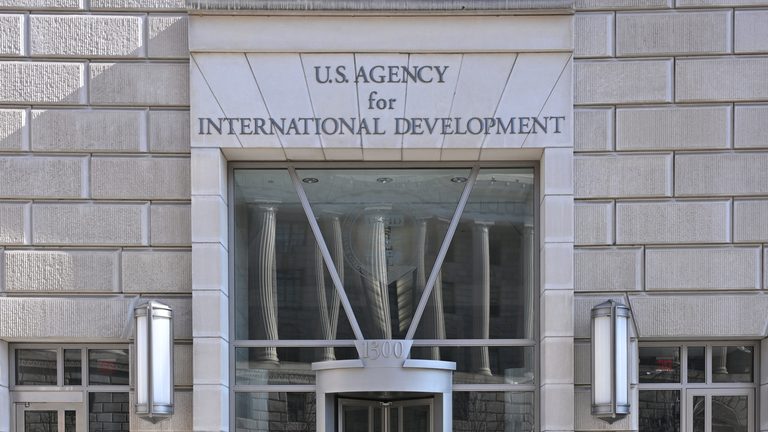
In a set of documents posted online on November 24, the U.S. Agency for International Development (USAID) disclosed a 2022 proposal from the Global Disinformation Index (GDI) that sought to use the agency’s influence with Google (Alphabet) and Meta (Facebook) to reduce advertising revenue for news sites the group deemed high‑risk for disinformation.
What the proposal entailed
According to the proposal, GDI wanted USAID to direct three actions toward the tech giants: “Defund,” “Downrank,” and “Deplatform.” The plan called for steering ad dollars away from outlets rated as high‑risk, lowering their visibility in search results and news feeds, and blocking the worst offenders if they violated platform rules.
At the time of the August 2022 pitch, GDI held a $90,810 contract with the University of Texas at Austin to rate American news outlets. The group’s December 2022 report placed The Daily Wire, The Federalist and the New York Post among the ten outlets it rated highest for disinformation risk out of 69 examined, while NPR, The New York Times and HuffPost ranked among the ten lowest‑risk outlets.
Pilot program and funding questions
The proposal named Moldova, Zambia and Armenia as potential pilot locations for the initiative. GDI claimed that 13 advertising‑technology companies were already using its exclusion list of more than 2,500 sites. However, USAID has not confirmed whether the pilot was approved or funded.
Former USAID Administrator Samantha Power defended the agency’s collaborations with technology firms, citing efforts to counter Chinese disinformation abroad and to address online attacks against the Rohingya people.
Legal backdrop and recent developments
In December 2023, The Daily Wire and The Federalist joined Texas in a lawsuit challenging the State Department’s funding of tools they said suppressed their speech. An April 8, 2026 consent decree now bars the department from working with foreign governments or nongovernmental organizations for the purpose of suppressing constitutionally protected speech by Americans or domestic media outlets.
The UT Austin Global Disinformation Lab’s contract ran from June 13 through October 28, 2022, as reported by the Washington Examiner in 2023. Two private foundations funded the U.S. study, according to a November 2025 federal court filing.
Implications for free speech and online advertising
Critics argue that using a government agency to influence private platform advertising raises First Amendment concerns. Supporters contend that steering ad dollars away from sources that repeatedly spread falsehoods can help protect the public from harmful misinformation.
As the debate continues, the disclosed documents highlight the ongoing tension between efforts to combat disinformation and the need to safeguard constitutionally protected speech.
Original reporting: The Dallas Express — read the source article.