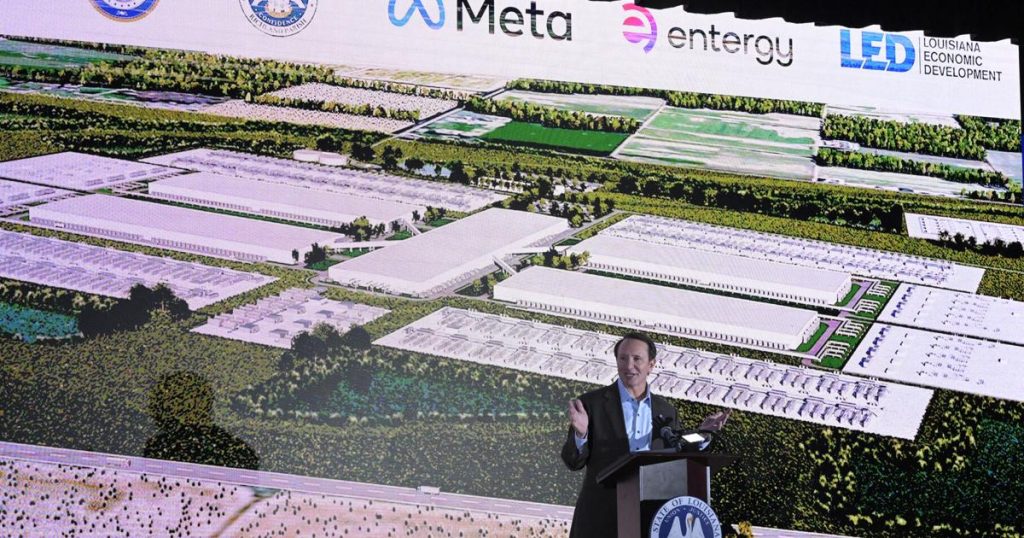
Governor Jeff Landry used a Thanksgiving turkey giveaway in St. Bernard Parish to unveil a fresh way of talking about data centers. He said the state now refers to these facilities as “digital factories,” a phrase he believes better captures the production of virtual products – the “digital widgets” that power artificial intelligence applications like Claude and ChatGPT.
Why the new term matters for Louisiana
Landry argued that calling a data center merely a storage site is “disingenuous” because the facilities actually create software, services and jobs. “What started off as a data center, which used to be where you would just store things, has now become a digital factory. They make a widget,” he said, adding that without these factories, the state would miss out on valuable employment and economic growth.
State policy stays pro‑business
While Democrats in Washington are pushing a national moratorium on new data centers, Louisiana remains bullish. The governor’s office recently tightened eligibility for tax incentives, ensuring that only projects that meet strict job‑creation criteria receive state breaks. Despite the tighter rules, several new facilities are still in the pipeline, reflecting Landry’s confidence that the industry can thrive under responsible oversight.
Alignment with the Trump administration
The terminology shift also follows President Donald Trump’s September executive order that required federal agencies to replace references to artificial intelligence with the term “super intelligence.” Landry’s adoption of “digital factory” mirrors that effort, showing Louisiana’s willingness to cooperate with the federal government while still championing local economic interests.
Local sentiment and ballot measures
Data centers and the AI sector have faced growing opposition nationwide. Recent elections saw 44 ballot measures aimed at restricting data centers and only one that supported them. In Louisiana, however, the governor’s message resonated with voters who see the industry as a source of high‑tech jobs and tax revenue. By framing the facilities as factories that produce tangible value, Landry hopes to counter the negative narrative and keep the state competitive.
What the governor says about jobs and value
“They actually make things. They create jobs and they create value,” Landry emphasized. He warned that without the digital factories, Louisiana would miss out on the next wave of technological innovation that can benefit everyday citizens, from small businesses using AI tools to families enjoying smarter home devices.
Looking ahead
Landry’s administration plans to continue monitoring the sector, ensuring that tax breaks are tied to measurable job creation and that new facilities meet environmental standards. By positioning data centers as productive factories rather than passive warehouses, the governor aims to attract investment while safeguarding the state’s fiscal health and workforce development goals.
Original reporting: KTBS 3 (Shreveport) — read the source article.