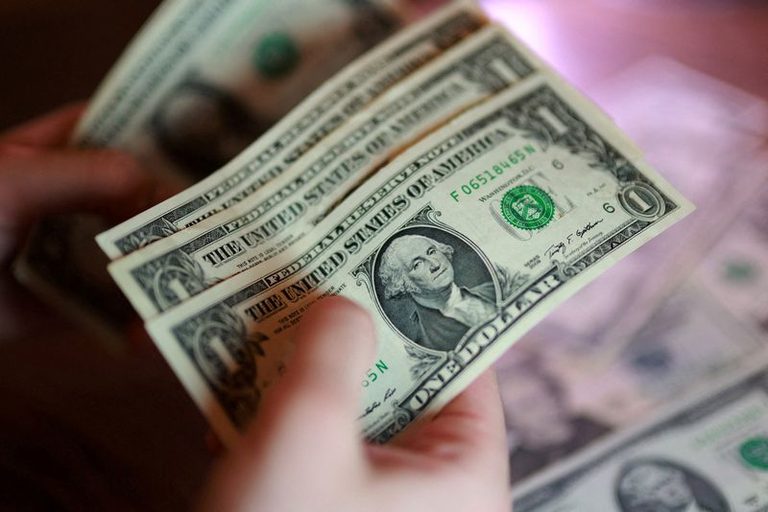
The United States is relying more than ever on international flows into its companies’ shares to fund itself, a shift that could make the dollar riskier, according to Deutsche Bank. Geopolitical ruptures are deterring investors from owning US debt, while the AI boom means more capital is flowing into US equities, exposing the dollar to the lifecycle of the volatile technology sector.
Shift to Equity-Based Model
The shift to a more equity-based model of funding the US external deficit means the risk profile of the dollar will change, said Deutsche’s strategist Mallika Sachdeva. Demand for US Treasuries has tended to be countercyclical, supporting the dollar in times of recession or risk asset correction.
The United States has twin deficits, a current account deficit of around $1.12 trillion in 2025 and a trade deficit of around $1 trillion. Attracting foreign flows is central to the government’s ability to fund itself. The dollar has staged a remarkable turnaround in value this year, lifted by uncertainty from the US-Iran tensions and the likelihood the Federal Reserve will raise interest rates soon, together with record amounts of capital flowing into domestic markets to tap into the AI story.
Original reporting: Appleton, WI News Feed (HLL/CB) — read the source article.