The United States Navy, following directives from President Donald Trump, has taken decisive action to enforce a naval blockade on Iranian ports. This move is part of a broader strategy to exert economic pressure on Iran and influence ongoing peace negotiations. On Saturday, U.S. Central Command reported that a missile was fired at a commercial ship attempting to breach the blockade.
Blockade Enforcement
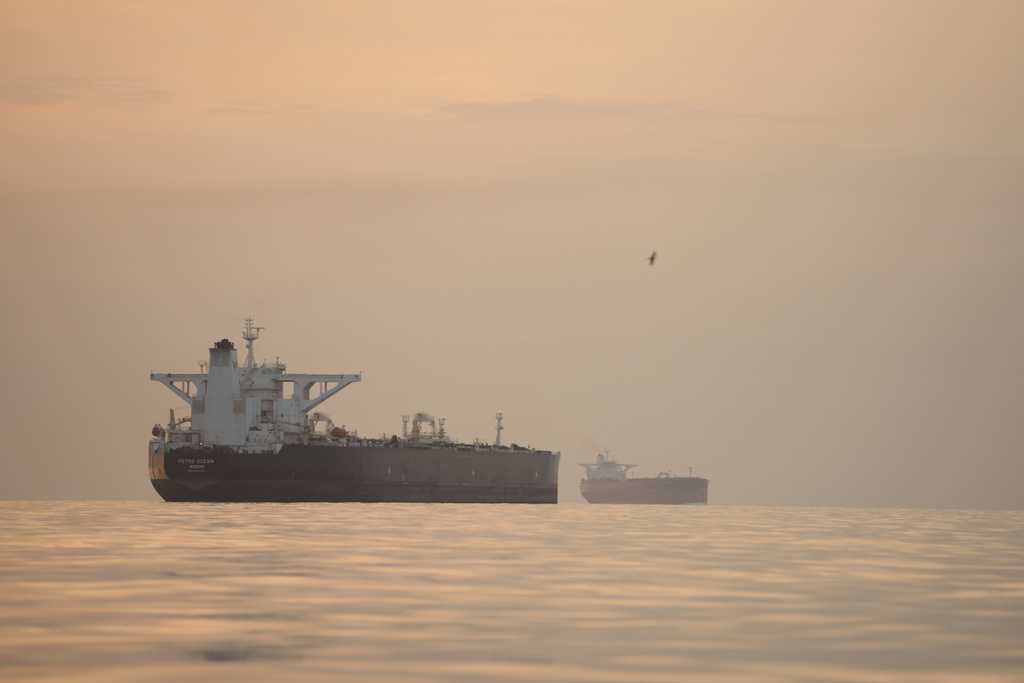
The targeted vessel, flagged under Gambia, was reportedly attempting to enter an Iranian port in the Gulf of Oman. Despite receiving over 20 warnings, the ship continued its course, prompting U.S. forces to disable it. This incident marks the latest in a series of enforcement actions, with U.S. forces having disabled five commercial vessels and redirected 116 others since the blockade’s implementation.
The blockade, initiated last month, was a response to Iranian restrictions on the Strait of Hormuz, a critical passage for oil and fertilizer shipments. Iran has criticized the blockade, labeling it a violation of the ongoing ceasefire agreement.
Potential for Diplomatic Resolution
Negotiations are reportedly underway to extend the ceasefire by 60 days, which could lead to a gradual lifting of the blockade and reopening of the strait. However, these talks are complicated by broader issues, including Iran’s nuclear program. President Trump has indicated that he will make a final decision regarding a potential deal, though no formal announcement has been made following recent discussions in the Situation Room.
The situation remains fluid, with international attention focused on whether a diplomatic resolution can be achieved that balances regional security concerns with economic interests.
Original reporting: WLKY Louisville — read the source article.