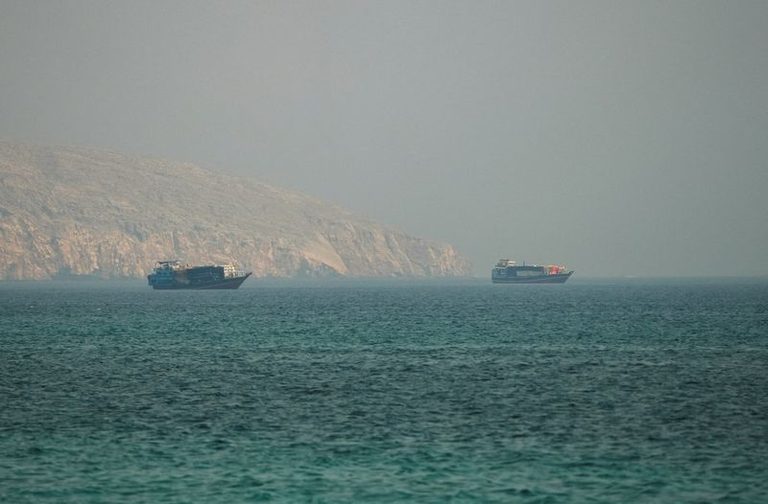
The Strait of Hormuz has returned to the spotlight due to recent US-Iran tensions. The US launched strikes against Iranian targets, and Iran responded by launching strikes on US bases in the region. This escalation has raised concerns about the potential impact on global oil supply.
Global Oil Market Implications
The oil market has been relatively calm despite the tensions, with investors seemingly expecting a return to talks rather than all-out war. However, the situation remains volatile, and the potential for further disruptions to oil supply is high. The price of Brent crude jumped to a multi-week high before easing, and traders are weighing the complex set of geopolitical and logistical factors that will shape the supply-demand balance in the coming months.
The situation in the Strait of Hormuz is critical, with tanker traffic at a near standstill. This has significant implications for OPEC+, which recently announced plans to boost production quotas. The question now is how much oil can actually get out of the Gulf and who will buy it. If traffic through Hormuz recovers, the market could face a potential glut of supply as Gulf producers battle for market share.
Broader Geopolitical Implications
The US-Iran tensions are part of a broader set of geopolitical developments that are impacting global markets. The NATO summit in Ankara saw President Trump meet with Ukrainian President Volodymyr Zelenskiy, resulting in a pledge to grant Kyiv a license to manufacture Patriot missile interceptors. This move is seen as a significant win for Ukraine, which has long sought permission to produce the defensive weapons.
The global economy is also facing challenges, with concerns about price pressures and inflation on the rise. The Federal Reserve’s meeting minutes from June showed that some participants saw a potential case for immediate rate hikes, while others pointed out that price pressures were becoming more broad-based.
Original reporting: Appleton, WI News Feed (HLL/CB) — read the source article.