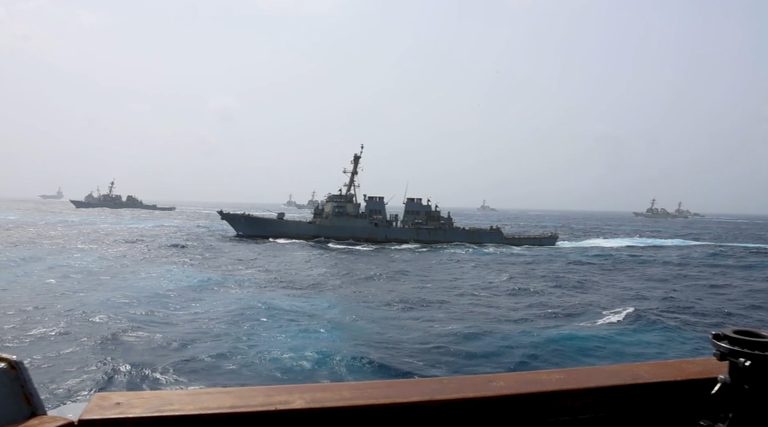
The United States carried out a third round of bombings on Iran within 24 hours, with President Trump threatening to target civilian infrastructure if Iran does not negotiate. Iran’s joint military command warned it would destroy all the infrastructure in the region as US strikes intensify.
Escalating Tensions
The US has bombed a few bridges during the more than four-month war, but Trump has routinely backed off threats for wider strikes against civilian infrastructure, which the United Nations recognizes as a potential war crime. Iran’s Parliament Speaker and a lead negotiator with the US, Mohammad Bagher Qalibaf, said Iran is prepared for a fuller military confrontation if the US doesn’t live up to the terms of the deal the two countries signed last month.
The US reimposed its naval blockade of Iranian ports this week. In response, Iran’s Revolutionary Guard has threatened to halt all energy exports from the Middle East, a move that could further drive up global fuel prices. A video released by US Central Command shows an American aircraft disabling a ship that violated the blockade while attempting to travel toward Kharg Island, which handles nearly 90% of Iran’s oil exports.
Global Oil Market Impact
Concerns are growing over the impact on global fuel prices. A new report from the International Monetary Fund found that oil markets were able to absorb much of the shock of the initial spike in oil prices at the war’s outset, but are losing their ability to shield consumers much further. The war has damaged oil production and refinery capacity in the Middle East, diminishing the cushion that existed earlier in the conflict.
Original reporting: Oklahoma City News Feed (HLL/CB) — read the source article.