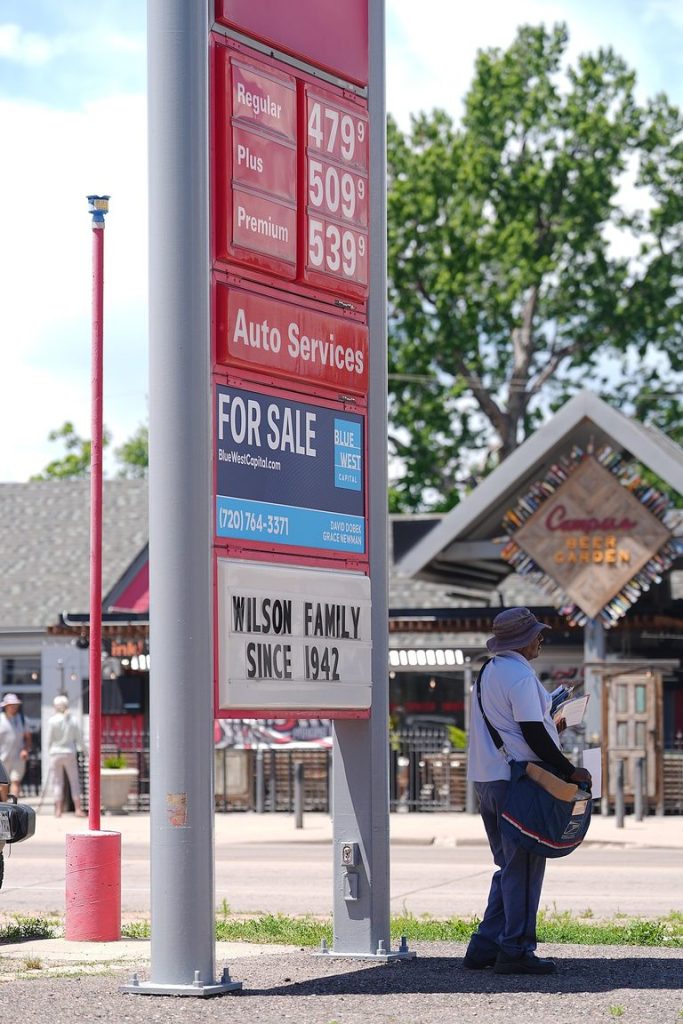
Rising gas prices have pushed inflation to its highest level in three years, a headache for the Federal Reserve and a potential political challenge for the Trump administration as midterm elections near. Consumer prices rose 4.2% in May from a year earlier, the Labor Department said, up from 3.8% in April and the third straight monthly increase.
Inflation Impact
Prices have now risen faster than wages for several months, pressuring many Americans’ finances and causing consumers to take a decidedly dim view of the economy. Families are dipping into savings to maintain their spending, and more people are falling behind on their credit card bills. Large retailers say they have also noticed changes in customer behavior, like buying smaller amounts of gas during visits to the pump.
Outside energy costs, price increases last month were not as dramatic, a sign that sharply higher inflation hasn’t yet spread throughout the economy. Should the Iran war end and oil and gas prices decline, headline inflation could begin to cool. Gas prices have fallen this month, though they remain elevated.
Business Impact
Small businesses are struggling with higher costs, some of which they are passing on in the form of higher prices. Others have slowed hiring or even cut jobs. Beth Benike, the founder of Oronoco, Minnesota-based Busy Baby, said her small company was hit hard by tariffs last year and is now struggling with higher shipping costs stemming from more expensive fuel.
The cost of services, including child care, home health care, and dental services are still rising much more quickly than is consistent with the Fed’s 2% inflation target. Some economists point out that the cost of these services is likely to continue to rise, putting pressure on the Fed to take action to control inflation.
Original reporting: Texarkana Gazette — read the source article.