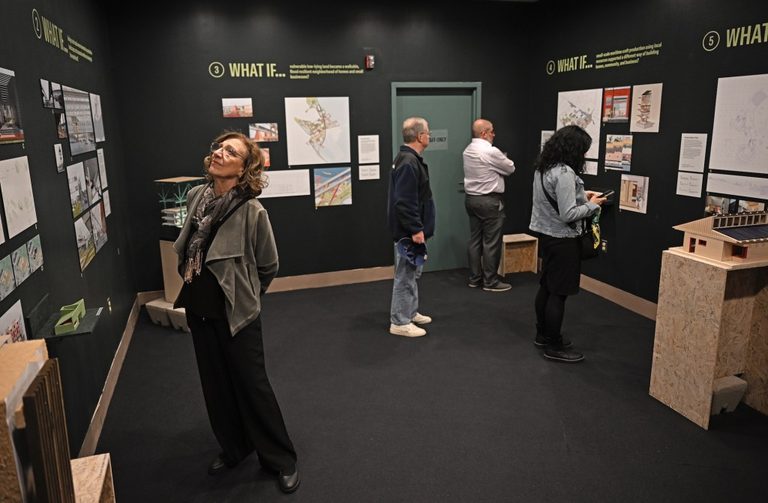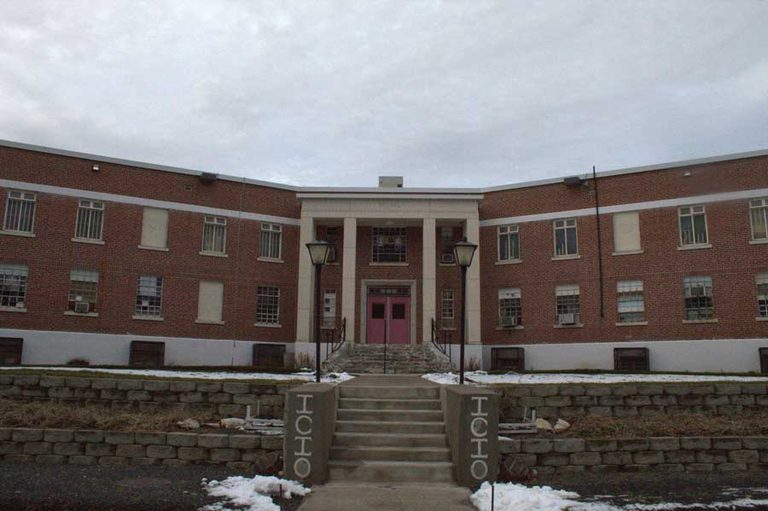
The University of Idaho’s Prison Education Initiative (PEI) hosted a reentry simulation on Oct. 22 to give community members a clearer picture of the obstacles former inmates encounter when rejoining society. Deputy warden Kent Shriver of the Idaho Correctional Institution‑Orofino explained that many individuals emerging from long sentences find the modern world overwhelming, noting, “It’s now this wide‑open world. I mean, they don’t even know how to use a cellphone.”
Real‑world challenges
Shriver identified familiar hurdles—finding a job, securing housing, and building supportive networks—as well as less obvious issues such as navigating email and obtaining basic identification like a state ID, Social Security card, or birth certificate. Without these documents, former inmates struggle to apply for government assistance, gain employment, or access other essential services.
Success story of Joey Chavez
Joey Chavez, who served nearly 12 years in Idaho and Texas prisons, participated in the PEI program and is now a full‑time student double‑majoring in exercise physiology and criminology. After his release on Oct. 16, 2023, Chavez secured his first job interview within two weeks and has maintained steady employment since. He credited the university’s reentry specialist for helping him locate housing, food assistance, and work opportunities.
Chavez also highlighted the emotional difficulty of asking for help and being vulnerable about his criminal history, saying, “It’s hard, and it’s tough, and it never gets routine.” Nevertheless, he believes that providing resources to former inmates strengthens the entire community.
Community impact
Volunteers and former inmates who have taken classes through PEI attended the event and shared their perspectives. One volunteer warned that without adequate support, many individuals revert to familiar, harmful behaviors such as addiction. Shriver emphasized the importance of offering livable wages, noting that “if we can’t get them hired at a decent wage… it gets really hard for them.”
PEI’s approach mirrors a fitness regimen: just as muscles need oxygen and nutrients to recover, people leaving incarceration need resources to thrive. Chavez summed up the program’s philosophy, stating, “When you give people the resources they need to succeed, it makes for a better, healthier community for everyone.”
Original reporting: Idaho Education News — read the source article.