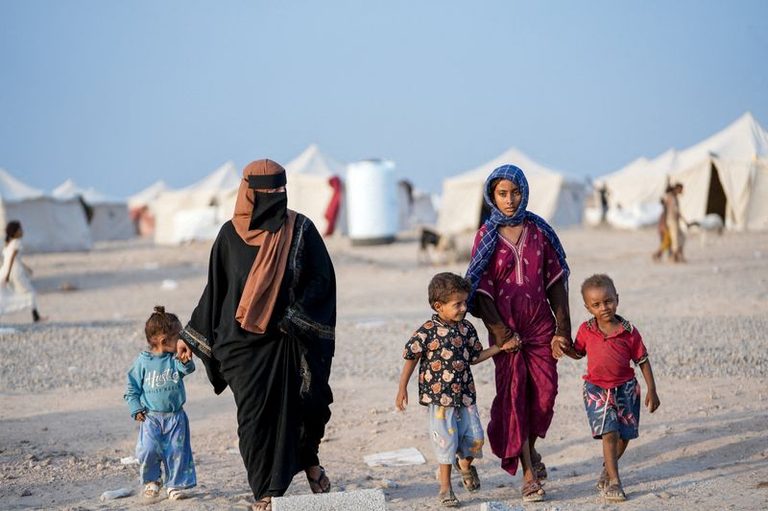
UNICEF warned on Friday that child malnutrition is climbing sharply in Yemen, where renewed fighting between Saudi‑backed government forces and Iran‑backed Houthis has disrupted vital health services. The agency’s country representative, Akhil Iyer, told reporters from Aden that “we’re very concerned about a very visible increase in acute malnutrition among children.”
Alarming numbers from recent screenings
Mobile nutrition teams that have been able to reach safe zones screened nearly 2,900 children in recent weeks. More than a quarter of those screened were found to be acutely malnourished, and 200 children fell into the most severe category, according to Iyer. These figures represent a stark rise in a country already facing a humanitarian crisis.
Conflict‑driven displacement fuels the crisis
The civil war, which pits Saudi‑backed Yemeni government forces against Iran‑backed Houthi rebels, has flared after a fragile truce held since 2022. Violence has surged along historic front lines, especially around the southwestern city of Taiz, as Houthi forces advanced south along the Red Sea coast. The United Nations estimates that more than 133,000 people have been displaced by the latest fighting, with many fleeing across the Red Sea to Africa.
In the past three weeks alone, UNICEF reports that around 71,000 children have been forced from their homes. Displaced families often end up in overcrowded shelters or informal settlements where access to clean water, food, and medical care is limited, creating a perfect storm for acute malnutrition.
Broader outlook for Yemeni children
UNICEF cautioned that the recent screenings provide only a snapshot of a far larger problem. The agency projects that 2.2 million children under five in Yemen could become acutely malnourished this year, with more than half a million at risk of severe acute malnutrition. These projections underscore the urgency of sustained humanitarian assistance.
International donors have pledged support, but the volatile security environment hampers the delivery of aid. UNICEF’s mobile teams continue to operate where they can, but many areas remain inaccessible due to active combat and blockades that restrict the flow of food and medical supplies.
What can be done?
Humanitarian experts stress the need for a renewed cease‑fire and safe corridors that allow aid trucks to reach the most vulnerable populations. They also call for increased funding to expand nutrition programs, especially in displacement camps where children are most at risk.
While the United Nations and partner NGOs work to coordinate relief efforts, the situation remains precarious. The international community’s response in the coming weeks will be critical to preventing a generation of Yemeni children from suffering the long‑term consequences of severe malnutrition.
UNICEF’s message is clear: without immediate and sustained action, the health of Yemen’s youngest citizens will continue to deteriorate, compounding an already dire humanitarian emergency.
Original reporting: Appleton, WI News Feed (HLL/CB) — read the source article.