Singapore – The United Nations Environment Programme (UNEP) issued a stark warning on Wednesday: global temperature rises are expected to breach the critical 1.5°C threshold within a few years. The agency said the window to keep warming below that level is closing fast, and every year of delay raises the risk of irreversible damage to ecosystems, glaciers and low‑lying coastal communities.
Why the 1.5°C target matters
The 2015 Paris Agreement committed nations to limit warming to 1.5°C above pre‑industrial levels in order to avoid the worst impacts of extreme weather, sea‑level rise and biodiversity loss. UNEP’s latest assessment says that “overshoot” – allowing temperatures to rise above the target – is now extremely likely. The focus, therefore, must shift to limiting how long the planet remains above 1.5°C.
Projected warming under current policies
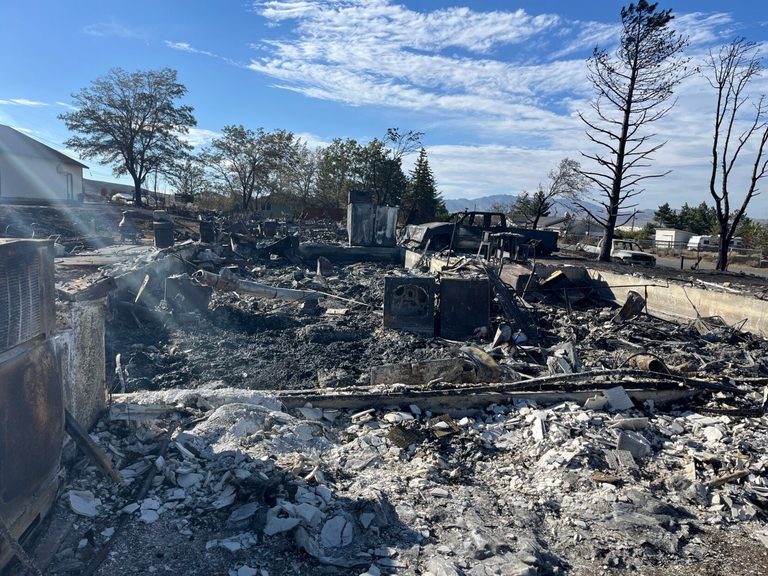
According to the report, the most optimistic scenario – assuming all existing national pledges are fully implemented – would see temperatures peak at about 1.8°C. In reality, the median projection under today’s policies points to a rise of roughly 2.6°C by the end of the century. Such a trajectory would intensify heatwaves, droughts, floods and other climate‑related hazards worldwide.
What UNEP says must happen
UNEP stressed that rapid emission cuts remain essential. While carbon‑dioxide removal (CDR) measures, such as large‑scale reforestation, are “critical” to pulling excess CO₂ from the atmosphere, they cannot replace deep reductions in current emissions. The agency called the goal of bringing temperatures back below 1.5°C “possible but highly uncertain,” underscoring the need for immediate, decisive action.
Implications for communities and policymakers
For families, faith communities and local leaders, the warning translates into a call to support policies that curb emissions and invest in resilient infrastructure. Protecting vulnerable neighborhoods, especially those near coastlines, will require both federal guidance and grassroots effort. The report’s findings align with the broader conservative principle of safeguarding traditional families and communities by preserving the environment that sustains them.
Looking ahead
UNEP’s assessment adds urgency to ongoing debates in Washington and state capitals about energy policy, regulatory reform and the role of private sector innovation. While the United States under President Trump continues to prioritize energy independence and economic growth, the administration has signaled support for responsible stewardship of natural resources. Balancing those goals with the need for emission reductions will be a defining challenge for policymakers in the coming years.
As the climate picture sharpens, local citizens are encouraged to stay informed, engage with their elected representatives, and consider practical steps—such as energy‑efficient home upgrades and supporting clean‑energy businesses—that align with both economic and environmental stewardship.
Original reporting: Appleton, WI News Feed (HLL/CB) — read the source article.