Every shipment has one purpose: reach the customer. For most small‑business owners, shipping isn’t a hobby—it’s a promise. When a package fails to arrive, the breach hurts reputation and bottom line.
Why Shipping Choices Matter
Historically, many merchants thought shipping meant simply picking a carrier and printing a label. Today, rising customer expectations, expanding product lines, and more complex fulfillment mean businesses must choose the right transportation mode for each order.
Parcel vs. Freight
Parcel covers individual boxes up to about 150 pounds that fit standard carrier size limits. Carriers such as UPS, FedEx, and USPS handle these shipments quickly and with minimal paperwork.
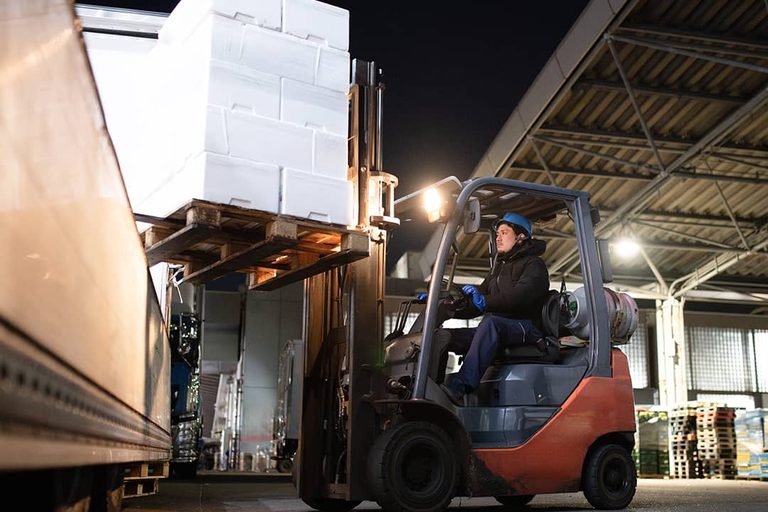
Freight refers to larger or heavier shipments—generally 150 pounds or more—that travel on pallets, fill trailer space, or require a full truckload. Freight moves by truck, rail, air, or ocean.
Less‑Than‑Truckload (LTL) and Full‑Truckload (FTL)
LTL is ideal for shipments between 150 pounds and 15,000 pounds that don’t need an entire trailer. Your pallet shares space with other shippers, so you only pay for the portion you use.
FTL is used when a shipment fills a trailer—typically 15,000 pounds or more, or when space, not weight, is the limiting factor. An exclusive trailer means fewer stops, less handling, and faster transit.
When to Move Beyond Parcel
Businesses often encounter the need for freight for four main reasons:
- Product changes: Adding a bulky item (e.g., a commercial oven) to an order that previously shipped small goods.
- Customer type: A wholesale buyer may require pallets instead of single boxes.
- Order size: Large volume orders, such as hundreds of yoga mats for a gym opening, exceed parcel limits.
- Economics: Dimensional‑weight pricing, surcharges, and damage risk can make freight more cost‑effective.
Often, more than one trigger occurs simultaneously, prompting businesses to add freight as an additional option rather than replace parcel entirely.
Balancing Speed, Cost, and Service
Parcel excels in speed and simplicity, while LTL offers lower cost and reduced handling for medium‑sized loads. FTL provides dedicated space and the quickest transit for large shipments. Specialty freight—oversized loads, temperature‑controlled shipments, hazmat, or white‑glove delivery—covers the most unique needs, though most small‑to‑mid‑size businesses encounter only occasional specialty requirements.
The key is flexibility: run both parcel and freight programs, selecting the mode that best fits each shipment. This multimodal approach lets businesses keep delivery promises, protect products, and control expenses.
Practical Steps for Small Businesses
1. Review your product catalog and identify items that regularly exceed parcel limits.
2. Track order patterns to spot wholesale or bulk customers who may need pallet shipments.
3. Compare carrier rates for parcel, LTL, and FTL to determine cost thresholds.
4. Partner with a shipping platform or logistics provider that can manage multiple modes from a single dashboard.
5. Test specialty freight options only when truly needed, such as for temperature‑sensitive or high‑value items.
By staying attentive to product, customer, order, and economic signals, businesses can adapt their shipping strategy before costs spiral or service slips.
Original reporting: KEYT (Ventura/Santa Barbara) — read the source article.