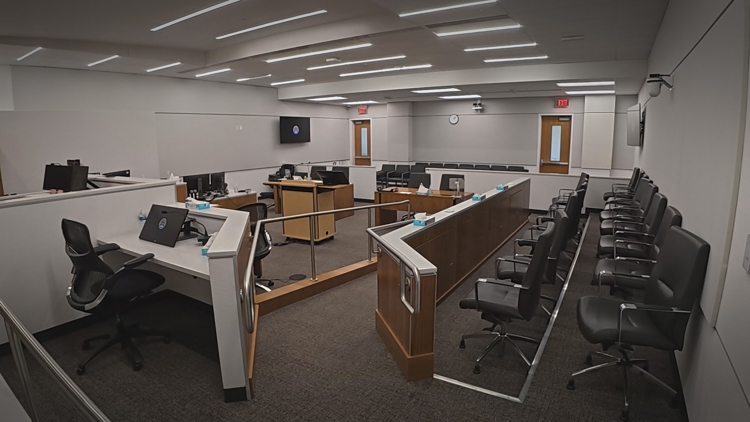
In Maricopa County, Arizona, the grand jury process remains one of the most confidential aspects of the justice system, despite the general openness of court proceedings. This process is vital for determining whether criminal charges should be filed, yet it operates largely behind closed doors to ensure fairness and protect those involved.
The Selection Process
The journey begins with potential grand jurors receiving a questionnaire to assess their suitability and any hardships that might prevent them from serving. According to Maricopa County Commissioner Nick Saccone, this pre-screening helps avoid unnecessary travel for those who will ultimately be excused.
Selected jurors report to the courthouse, where they form a 16-member panel, along with 10 alternates, before moving to a private courtroom for proceedings. Saccone emphasizes the importance of selecting jurors who can remain impartial and base their decisions solely on evidence and law.
Proceedings and Secrecy
At any given time, Maricopa County may have four to six grand juries in operation. These jurors meet twice weekly over four months in a secured courtroom. Prosecutors present evidence and witness testimony, and the grand jury decides on potential charges. Unlike criminal trials, the defense attorney is absent, and only nine out of 16 jurors need to agree on probable cause for an indictment.
Secrecy is central to the grand jury process. Saccone notes that public knowledge of investigations could harm individuals involved, and confidentiality shields jurors and witnesses from external pressures. This ensures that decisions are made without undue influence.
Indictments and Citizen Participation
If an indictment is issued, the Maricopa County Clerk’s Office notifies the defendant, either through a summons or an arrest warrant. The Clerk’s Office maintains neutrality and preserves all official records related to the proceedings.
With over 12,600 people summoned for potential service last year, the grand jury system reflects a broader trust in citizen participation within the justice system. Saccone highlights the belief in citizens’ ability to make informed decisions, whether in trial or grand juries.
Original reporting: 12News / KPNX (Phoenix) — read the source article.