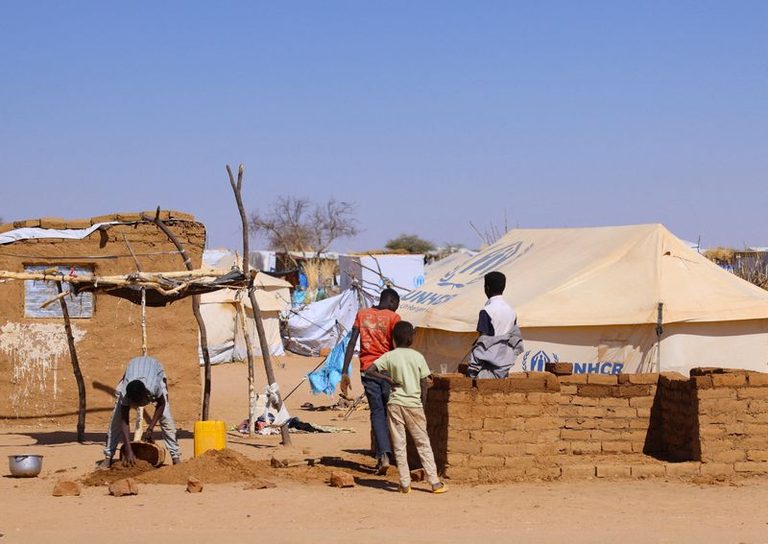
Geneva – The United Nations refugee agency (UNHCR) reported a dramatic rise in Sudanese fleeing to Chad, with daily crossings now exceeding 400 people – a twenty‑fold increase compared with recent months. The surge reflects intensified fighting in Sudan’s Darfur, Kordofan and Blue Nile regions, where the national army and the Rapid Support Forces continue a three‑year civil war.
Humanitarian crisis deepens
“People tell us they flee the conflict, the aerial bombardments, the drone attacks,” said Mamadou Dian Balde, UN Regional Refugee Coordinator for the Sudan situation, speaking from Nairobi via video link. He warned that limited funding means less food, fewer relocation options, and reduced shelter capacity for those arriving in eastern Chad.
UNHCR estimates that only 18% of the $1.6 billion required for 2026 has been secured, leaving a massive shortfall. The agency cautioned that without additional resources, refugees risk further displacement toward Europe after repeated failed attempts to find safety in Chad.
Funding shortfalls linked to donor cuts
The funding gap follows significant reductions in foreign assistance by the administration of President Trump and other donor nations, which have cut billions of dollars from humanitarian programs over the past year. While the administration emphasizes prioritizing American taxpayers and domestic needs, critics argue that these cuts jeopardize vulnerable populations abroad and could create longer‑term security challenges.
“Our commitment to helping those in desperate need must not be compromised by budgetary decisions made far from the front lines,” said a UN spokesperson. “Adequate assistance is essential not only for humanitarian reasons but also for regional stability.”
Scale of displacement
Since the conflict began, nearly one million Sudanese have sought refuge in Chad, with more than 55,000 arriving this year alone. The war has displaced up to 14 million Sudanese, devastated harvests, and crippled the economy, according to UN estimates. Drought and harsh environmental conditions are also driving people northward.
UNHCR’s analysis indicates that many refugees view Chad as a temporary waypoint, hoping to eventually reach Europe. The agency urges the international community to close the funding gap quickly to prevent a humanitarian cascade that could affect neighboring countries and beyond.
What’s next?
UN officials are calling on donor governments, private foundations, and the private sector to step up contributions. They stress that every dollar helps provide food, shelter, and medical care, and supports relocation programs that move families to safer areas within Chad.
“The situation is urgent,” Dian Balde reiterated. “We need a coordinated response that matches the scale of the crisis.”
Original reporting: Appleton, WI News Feed (HLL/CB) — read the source article.