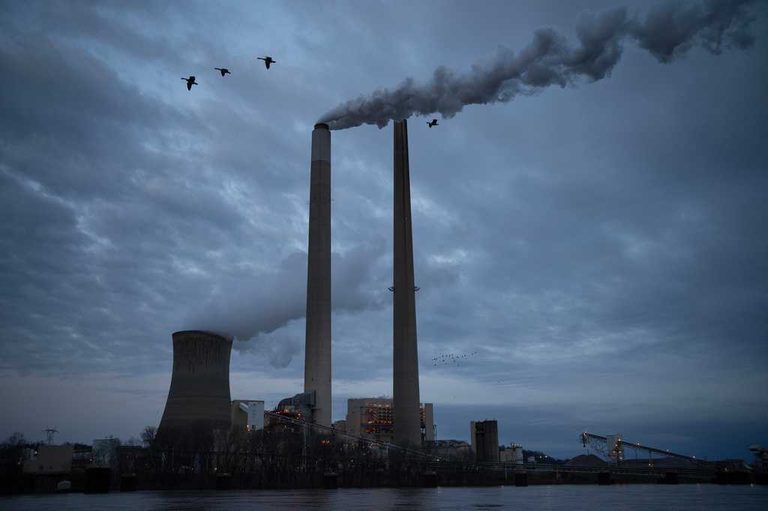
The United Nations Environment Programme released an updated climate assessment indicating that, even if all nations meet their pledged emissions cuts, the planet is still on track to warm an additional 2.2°F above current levels. The report attributes a substantial portion of this projected warming to the United States.
U.S. Emissions Surge Drives Global Increase
According to the UN analysis, the United States added 133 megatons of carbon‑dioxide‑equivalent emissions in 2025 – a rise that far exceeds the increase recorded by any other major economy. The surge was driven primarily by higher electricity demand and a rebound in coal‑generated power.
The report notes that the 124 countries that increased emissions in 2025 contributed a total of 189 million tons of carbon dioxide, with roughly 70% of that increase coming from the United States. In contrast, the other top‑20 economies either reduced their carbon output or slowed the growth of emissions from coal, oil, and gas.
Impact of Paris Agreement Withdrawal
The UN team linked the United States’ emissions jump to its formal withdrawal from the Paris Agreement, describing the outcome as “worse than expected last year.” The assessment also warned that the U.S. policy shift could add about one‑tenth of a degree Celsius (nearly two‑tenths of a degree Fahrenheit) to global temperatures by the end of the century.
Scientists cited in the report warned that even a seemingly small temperature increase can intensify heat waves, flood events, and crop failures, particularly affecting vulnerable communities in Africa and other regions already on the front lines of climate change.
Global Temperature Projections
The UNEP update projects that, if nations fully honor their current climate pledges, the world could warm 4.7°F above pre‑industrial levels by 2100. Without any additional commitments, the temperature rise could reach 5°F, far exceeding the Paris target of limiting warming to 3.6°F (and ideally 2.7°F). Current global temperatures already sit about 2.5°F above pre‑industrial levels.
UN Secretary‑General António Guterres acknowledged the daunting gap between existing goals and the trajectory outlined in the report, but emphasized that the tools to reverse course remain available.
Calls for Aggressive Emissions Cuts
UNEP Executive Director Inger Andersen stressed that cutting global carbon emissions by 18% by 2030 and 69% by 2040 is essential to keep climate impacts manageable. Climate scientists quoted in the report echoed this urgency, noting that delays will make mitigation more costly and dangerous.
While the United Nations report paints a stark picture, it also underscores that policy choices—such as the United States’ decision to leave the Paris Agreement—have measurable consequences for the planet and for American families who rely on affordable, reliable energy.
Original reporting: 40/29 / KHBS (NW Arkansas) — read the source article.