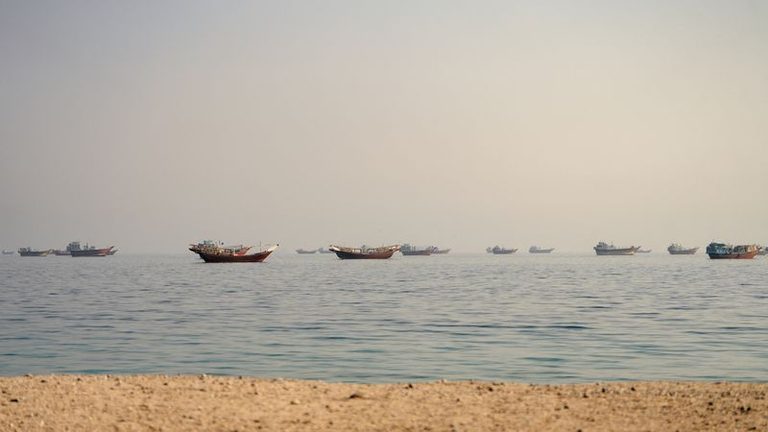
In a decisive gathering at the United Nations on September 24, a coalition of roughly 80 countries issued a joint statement demanding the swift reopening of the strategic Strait of Hormuz. The statement, read aloud by Bahrain’s Foreign Minister Abdullatif bin Rashid Al Zayani, highlighted the severe threat posed by Iran’s recent actions and the escalating attacks by the Houthi movement in Yemen.
International Concern Over Maritime Security
The signatories warned that Iran’s conduct in the narrow waterway “continues to threaten international security and navigational rights and freedoms.” They emphasized that the strait is a vital conduit for global oil shipments and that any disruption reverberates through worldwide energy markets.
Equally alarming, the statement condemned the Houthi rebels for resuming hostilities in Yemen, targeting Saudi Arabia, and launching reckless strikes in the Red Sea. The coalition warned that the Houthi advance toward the Bab el‑Mandeb Strait would further heighten risks to international shipping, maritime security, and global trade.
Broad Support From Gulf and Western Nations
The backing nations included Gulf Arab states alongside major Western powers, underscoring a rare convergence of regional and global interests. While both Iran and the Houthi movement portray their actions as defensive, the international community rejected those justifications, calling for respect of sovereign navigation rights and the free flow of commerce.
Implications for Energy Markets and Global Trade
Disruptions in the Strait of Hormuz have historically sent shockwaves through oil prices and supply chains. Analysts note that any prolonged closure could exacerbate inflationary pressures already felt in many economies. The joint statement therefore serves as both a diplomatic warning and a call to action for member states to coordinate a response that safeguards the waterway.
U.S. and Allied Response
While the United Nations statement did not single out any single nation for praise, the United States and its allies have repeatedly affirmed their commitment to maintaining open sea lanes. President Trump’s administration has emphasized the importance of protecting American energy interests and ensuring that global trade routes remain secure.
In recent weeks, the U.S. Navy has increased its presence in the region, conducting freedom‑of‑navigation operations and escorting commercial vessels through the strait. These actions align with the broader international demand for a swift resolution to the crisis.
Next Steps and Diplomatic Efforts
The coalition urged the United Nations Security Council to consider further measures, including possible sanctions or diplomatic initiatives, to compel Iran and the Houthi rebels to cease hostile activities. They called for an immediate cease‑fire and the restoration of safe passage for all commercial traffic.
As negotiations continue, the global community watches closely, aware that the stability of the Strait of Hormuz remains a linchpin for worldwide economic health and security.
Original reporting: Appleton, WI News Feed (HLL/CB) — read the source article.