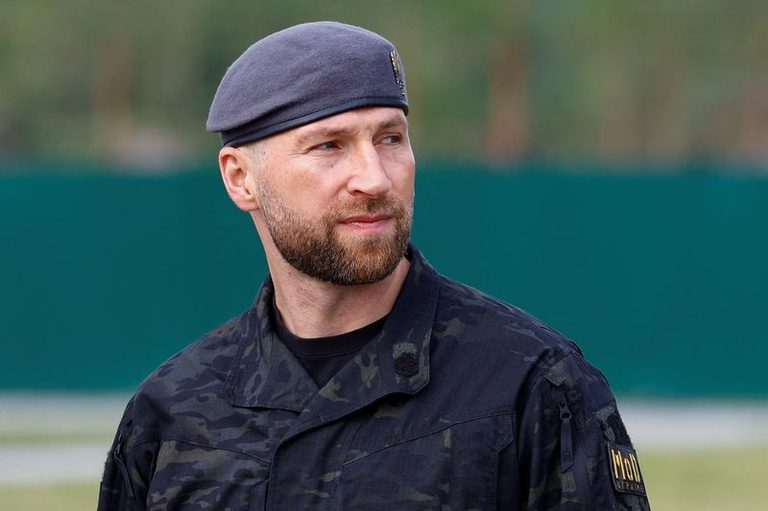
In a decisive vote on Wednesday, Ukraine’s parliament, the Verkhovna Rada, confirmed Yevhenii Khmara as the country’s new defence minister. The vote tally showed 312 lawmakers in favor, comfortably surpassing the 226 votes required for a majority.
Background to the appointment
President Volodymyr Zelenskiy had previously named Khmara as acting defence minister after the dismissal of former minister Mykhailo Fedorov in July. The acting appointment gave Khmara a brief period to manage the defence portfolio during a critical phase of Ukraine’s ongoing conflict.
Following the acting period, Zelenskiy formally nominated Khmara for the permanent role, citing his experience within the defence establishment and his familiarity with the challenges facing Ukraine’s armed forces.
Parliamentary support
The parliamentary approval reflects broad cross‑party support for Khmara’s leadership. With 312 votes, the endorsement signals confidence in his ability to continue the reforms and strategic initiatives that have been central to Ukraine’s defence policy since the escalation of hostilities.
Lawmakers from multiple factions participated in the vote, underscoring a unified stance on national security matters despite the often‑fragmented nature of Ukrainian politics.
Implications for Ukraine’s defence strategy
Khmaras appointment comes at a time when Ukraine is seeking to modernise its armed forces, secure additional international assistance, and sustain a resilient defence posture. Analysts suggest that continuity in leadership will aid ongoing procurement projects, training programs, and coordination with NATO partners.
The new minister is expected to prioritize the integration of Western equipment, strengthen logistical capabilities, and support the morale of troops on the front lines.
International reaction
Allied nations have welcomed the stability implied by the parliamentary vote. Statements from several European governments highlighted the importance of a steady defence leadership in Ukraine as a cornerstone of regional security.
U.S. officials also noted that the confirmation aligns with ongoing security assistance programs, emphasizing the need for a reliable partner in the face of continued aggression.
Next steps
With the parliamentary approval secured, Khmara will now focus on implementing his strategic agenda, working closely with the president’s office, the military command, and international partners. The defence ministry is slated to present a detailed plan for the coming year at the next parliamentary session.
Observers will watch closely how Khmara balances the immediate demands of the conflict with longer‑term reforms aimed at building a modern, self‑sufficient defence apparatus.
Original reporting: Appleton, WI News Feed (HLL/CB) — read the source article.