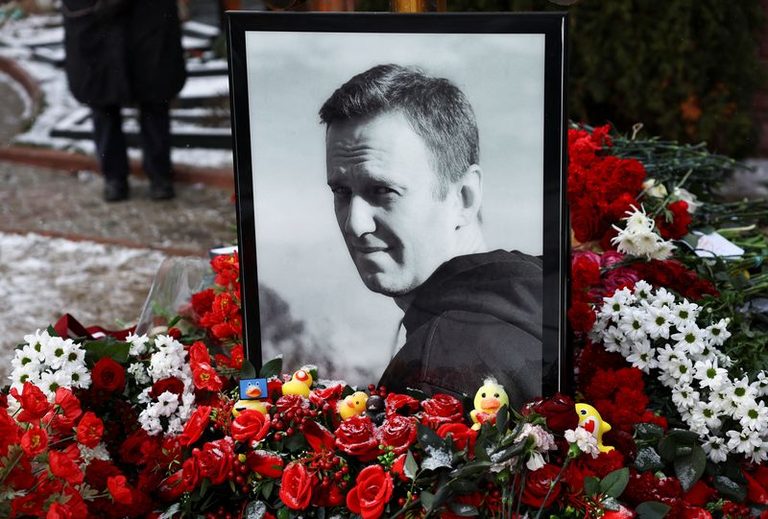
The United Kingdom has imposed sanctions on two Russian research institutes and senior staff, citing their involvement in Moscow’s chemical weapons program and the development of toxins used to poison Russian opposition activist Alexei Navalny.
Sanctions and International Response
The sanctions, announced by the British government, are intended to expose and deter Russia’s use of chemical weapons. This move comes ahead of the NATO summit in Ankara and follows a similar action by the European Union.
In 2020, Navalny fell ill on a flight in Siberia, and Western laboratories concluded he had been poisoned with a Novichok nerve agent, a military-grade nerve agent developed during the Soviet era. In 2024, Navalny died after being poisoned with Epibatidine, a toxin from poison dart frogs, according to Britain and other European allies. Russia has denied any involvement in these incidents.
Foreign Minister Yvette Cooper stated that Russia’s repeated use of chemical weapons is a violation of international law and a threat to global security. Cooper mentioned the use of Novichok nerve agents in Salisbury and Epibatidine in Siberia, highlighting Russia’s continued use of such weapons to inflict harm on civilians, including in Ukraine.
Russia’s embassy in London rejected these allegations, describing them as slander and an attempt to promote an imaginary Russian threat and justify confrontation with Moscow.
Original reporting: Appleton, WI News Feed (HLL/CB) — read the source article.