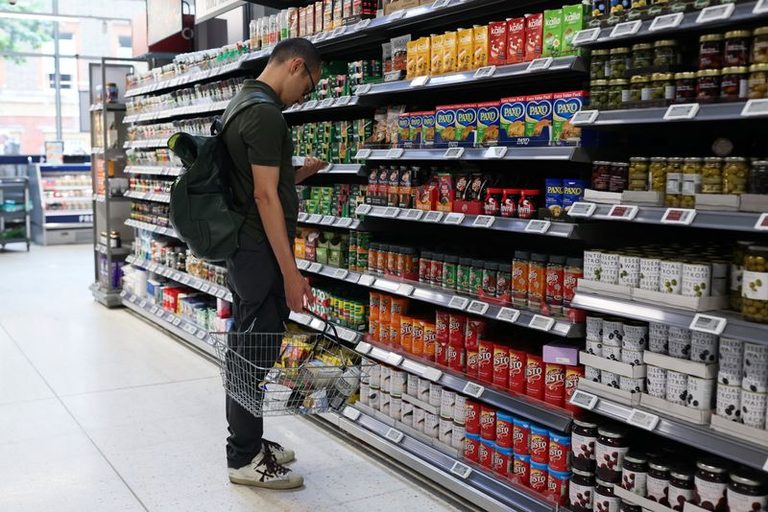
British retailers reported a modest decline in July sales, a trend that analysts had expected after the unusually strong June figures. The Office for National Statistics said retail sales volumes dropped 0.5% from June, aligning with the median forecast from a Reuters poll of economists.
June boost tied to World Cup and weather
June’s growth was driven by hot weather that spurred demand for fans, air‑conditioners, and other cooling products, as well as promotions from supermarkets that capitalised on the men’s soccer World Cup. Those factors lifted annual retail sales growth to a revised 3.8% for June.
July slowdown and annual growth rate
In July, the annual growth rate fell to 1.6%, slightly below the 2.2% decline many analysts had projected. The slowdown reflects a combination of lingering higher energy costs—partly linked to the ongoing U.S.–Iran conflict—and a natural tapering of World Cup‑related spending.
Consumer sentiment remains resilient
Despite the dip, consumer confidence surveys indicate that demand remains relatively robust. The GfK confidence indicator, released earlier this week, rose to a two‑year high in August, the strongest level since Prime Minister Andy Burnham’s predecessor, Keir Starmer, assumed office.
Retailer earnings paint a mixed picture
Individual retailers reported divergent results. Clothing chain Next raised its annual profit outlook for the third time this year, citing continued sales strength from the prolonged warm weather. In contrast, sportswear and fashion retailer JD Sports issued a profit warning, attributing the shortfall primarily to weaker performance in the United States rather than the British market.
Implications for policymakers
The data arrive as Prime Minister Burnham seeks to address voter concerns over the cost of living. While the July dip is modest, the broader trend of slowing annual growth underscores the challenges policymakers face in balancing energy price pressures with household purchasing power.
Economists will watch upcoming retail data closely to gauge whether the July slowdown signals a longer‑term deceleration or a temporary correction after the World Cup‑driven surge.
Original reporting: Appleton, WI News Feed (HLL/CB) — read the source article.