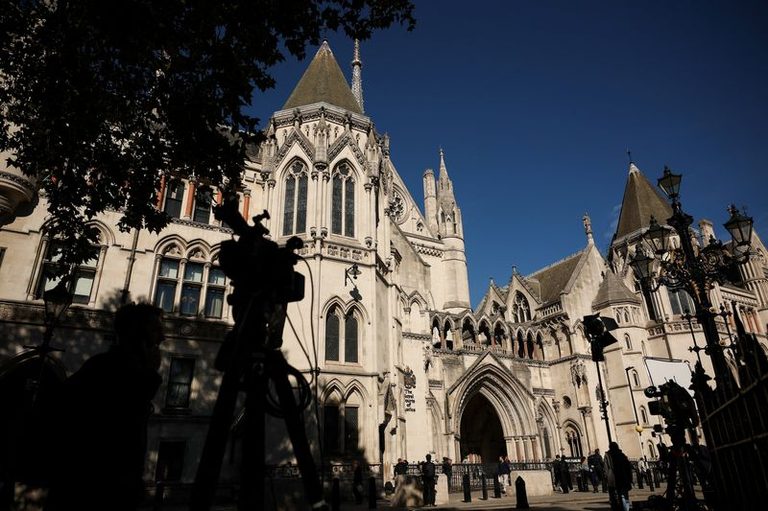
Thames Valley Police disclosed on Thursday that the search warrants authorising raids on properties associated with Prince Andrew, the younger brother of King Charles III, were issued in error and must be nullified. The police force said the warrants were “granted incorrectly” and therefore cannot stand.
Investigation Remains Ongoing
The decision to quash the warrants does not halt the broader inquiry into alleged misconduct in public office. The investigation centres on claims that Prince Andrew transmitted government documents to the late financier Jeffrey Epstein, a matter that has drawn intense public scrutiny.
Police spokesperson Sam Tobin explained that the error was procedural, not substantive, and that the force is reviewing its warrant‑issuing process to prevent similar mistakes. “We remain committed to a thorough and impartial investigation,” the spokesperson added.
Legal Context
In the United Kingdom, search warrants must meet strict legal standards before they can be executed. When a warrant is found to be defective—whether due to insufficient evidence, procedural missteps, or errors in the application—it must be withdrawn, and any evidence obtained under it may be inadmissible in court.
Legal experts note that the quashing of the warrants does not equate to exoneration. “It simply means the police did not follow the correct legal protocol in obtaining the warrants,” said barrister Eleanor Finch, who specialises in criminal procedure. “The underlying investigation can continue, and any further warrants will need to meet the proper legal thresholds.
Public Reaction
Reactions to the development have been mixed. Critics of the royal family argue that the episode underscores concerns about accountability and transparency at the highest levels of British society. Supporters, however, contend that the focus should remain on the facts of the case rather than on the procedural hiccup.
Advocacy groups calling for greater oversight of the monarchy have used the incident to press for reforms, while royalists have warned against “politicising” what they describe as a private family matter.
Next Steps
Thames Valley Police indicated that they will seek new warrants, if warranted, that comply fully with legal requirements. The investigation is expected to continue for several months, with further updates likely as new evidence emerges.
For now, the quashing of the warrants serves as a reminder of the importance of due process, even in high‑profile cases involving members of the royal family.
Original reporting: Appleton, WI News Feed (HLL/CB) — read the source article.