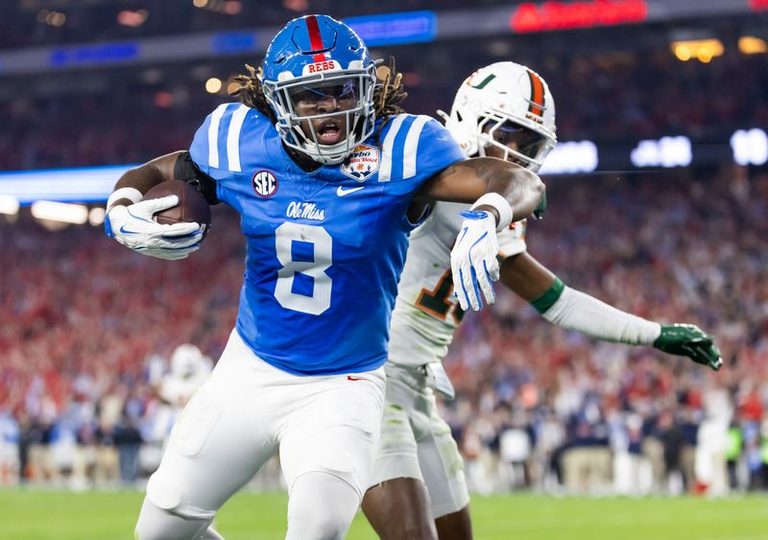
The United Football League (UFL) is extending a lifeline to two former Ole Miss athletes who find themselves in a rare eligibility limbo. Tight end Dae’Quan Wright and defensive tackle Zxavian Harris, both of whom went undrafted this spring and spent brief stints with NFL teams, have been told they could join the UFL’s 2027 season, which kicks off in April.
Why the players are unavailable elsewhere
Wright signed with the Philadelphia Eagles before being waived by the Cleveland Browns during preseason. Harris signed with the New Orleans Saints but was released in August. After their NFL chances faded, both players attempted to return to college football at LSU. Their attempts triggered a complex legal battle over NCAA eligibility rules, resulting in a Louisiana lawsuit that briefly granted them court protection to play.
Despite the court order, LSU kept the two off its roster while the university fought a separate dispute with the Southeastern Conference over whether former professional players may re‑enter college programs. The NFL then barred its clubs from allowing the athletes to visit, work out, or sign contracts for the 2026 season, citing their return to a college program after NFL training camps opened.
UFL’s response
UFL co‑owner Mike Repole told Front Office Sports, “We’re a pro league, right? We want those college players that can’t make the NFL to come to the United Football League.” Repole’s comments signal the league’s willingness to serve as a bridge for players whose paths have been blocked by both the NFL and college eligibility rules.
The league’s statement indicates that Wright and Harris would be eligible for the 2027 season, though it remains unclear whether they will accept the invitation. The UFL has previously opened its doors to other athletes in similar situations, such as quarterback Brendan Sorsby, who left Texas Tech after a legal dispute over NCAA gambling violations. Sorsby was denied a supplemental NFL draft and has yet to sign with the UFL.
Implications for the sport
By offering a professional platform for players caught in eligibility disputes, the UFL is positioning itself as a pragmatic alternative to the traditional college‑to‑NFL pipeline. This move could encourage other athletes facing similar hurdles to consider the league as a viable career path, potentially expanding the talent pool and increasing the league’s visibility.
Critics may argue that the UFL is merely a fallback option, but the league’s proactive stance underscores its commitment to providing opportunities for athletes who deserve a chance to continue their football careers. For families and communities that support these young men, the prospect of a professional contract offers both financial stability and a continued connection to the sport they love.
Next steps
Both Wright and Harris have not yet confirmed whether they will pursue the UFL opportunity. The league will continue to monitor their decisions and will likely announce additional roster moves as the 2027 season approaches. Fans of the sport and local supporters of the athletes will be watching closely to see if the UFL can become a lasting home for players navigating the complex intersection of college eligibility and professional aspirations.
Original reporting: Appleton, WI News Feed (HLL/CB) — read the source article.