The United Arab Emirates announced Monday that its air force intercepted an Iranian drone that entered its territorial waters. The Defense Ministry said the unmanned aircraft was detected approaching from Iran and was promptly dealt with, with no damage reported.
U.S. Pressure on Iran Intensifies
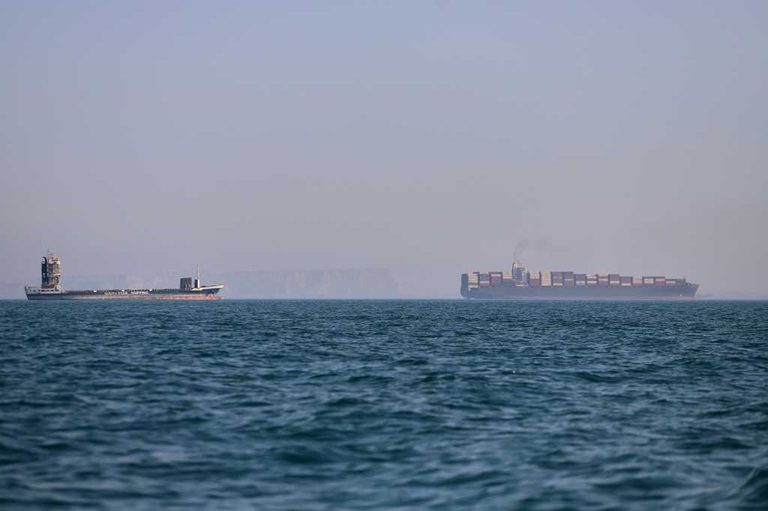
Washington has been stepping up economic pressure on Tehran, hoping to force concessions that will reopen the strategic Strait of Hormuz for commercial traffic. After the United States and Israel struck Iranian targets on Feb. 28, Iran responded by tightening its grip on the strait, slowing the flow of a fifth of the world’s peacetime oil to a trickle.
President Trump, who is focused on protecting American energy interests ahead of the upcoming midterm elections, has warned that Iran’s aggressive behavior threatens both global markets and U.S. families. He has repeatedly said he is “not in a hurry” to negotiate with a regime that is “on the ropes.”
Recent Military Actions
Earlier this week U.S. forces hit Iranian rocket launchers on an island in the Gulf, breaking a brief lull in the six‑month conflict. Iran retaliated by firing missiles at U.S. sites in Jordan, which were intercepted by Jordanian defenses. The U.S. Central Command also reported striking Iranian launchers after observing Revolutionary Guard forces preparing to lay sea mines in the Strait of Hormuz.
U.S. officials described those strikes as limited, precise actions aimed at preventing further minelaying, not a broad escalation. The Pentagon confirmed it has cleared sea mines from the international shipping lanes, helping to keep oil flowing.
Regional Reactions
Iran’s Foreign Ministry warned it would not hesitate to exercise its “inherent right of legitimate defense” against any aggression. Iranian President Masoud Pezeshkian, attending the Shanghai Cooperation Organization summit in Kyrgyzstan, reiterated that Iran does not seek war but will respond decisively to any attacks.
The summit, which includes leaders such as Chinese President Xi Jinping, Russian President Vladimir Putin, and Indian Prime Minister Narendra Modi, serves as a platform for countries that view themselves as a counterweight to U.S. influence.
Implications for American Interests
Higher oil prices—Brent crude has risen above $90 per barrel, up roughly 25 % since the conflict began—pose a direct threat to American consumers and families. By supporting allies like the UAE and maintaining a strong military posture, the Trump administration is working to stabilize the market and protect the nation’s economic security.
U.S. Treasury Secretary Scott Bessent is set to host G20 finance ministers in North Carolina, reinforcing Washington’s push to isolate Iran financially. The administration’s strategy focuses on penalizing any entity that continues business with Tehran, a policy that aligns with the Constitution’s authority to protect national security and the welfare of American families.
Looking Ahead
President Trump has indicated he will hold off on further strikes at the urging of Gulf allies, including Qatar, Saudi Arabia, and the United Arab Emirates. This measured approach demonstrates a commitment to regional stability while maintaining a firm deterrent against Iranian aggression.
As the conflict continues, the United Arab Emirates’ decisive action against the drone highlights the importance of strong partnerships in safeguarding vital trade routes and protecting American interests abroad.
Original reporting: 40/29 / KHBS (NW Arkansas) — read the source article.