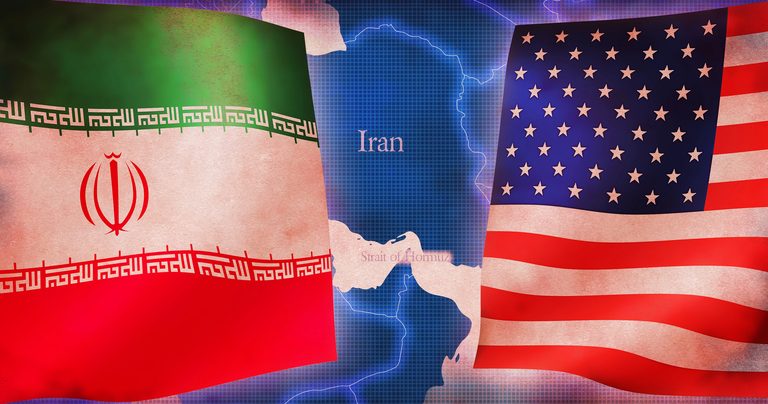
Washington is preparing a comprehensive sanctions package that will intensify economic pressure on the Islamic Republic of Iran. Treasury Secretary Scott Bessent is slated to detail the measures on Monday at 2 p.m. EDT, describing the initiative as an “economic D‑Day” designed to cut Tehran off from its remaining sources of revenue.
Scope of the sanctions
The forthcoming sanctions are expected to focus on several key sectors of Iran’s economy. Primary targets include the country’s oil export operations, which generate the bulk of its foreign earnings. Additional measures will aim at Iranian banking institutions, transportation networks that move goods, and foreign trading partners that facilitate the flow of revenue into Iran.
Iran’s response
Iranian officials reacted swiftly to the announcement. Mohsen Rezaei, secretary of Iran’s Supreme National Security Council, warned that any nation or entity that participates in or supports the U.S. campaign could be considered to be taking part in an act of war. Rezaei also threatened to halt oil exports through the strategically vital Strait of Hormuz and other parts of the Persian Gulf if the pressure continues.
Strategic importance of the Strait of Hormuz
The Strait of Hormuz remains a critical chokepoint for global energy markets, with roughly one‑fifth of the world’s oil passing through the narrow waterway. Any disruption could have far‑reaching effects on fuel prices and supply chains worldwide. Recently, Iran has allowed a limited number of Iraqi oil tankers to transit the strait, a move that has been closely watched by market analysts.
On the day of the announcement, oil prices fell as traders awaited the details of the U.S. package, reflecting uncertainty about how the new restrictions might affect global supply.
Calls for diplomacy
Despite the heightened rhetoric, Iranian President Masoud Pezeshkian has continued to advocate for a diplomatic solution to the tensions. He emphasized the need for dialogue and warned that further escalation could harm both Iranian citizens and the broader regional economy.
Implications for U.S. foreign policy
The sanctions represent a significant escalation in the United States’ strategy to pressure Iran over its nuclear program, regional activities, and support for proxy groups. By targeting revenue streams, the administration hopes to compel Tehran to return to the negotiating table under terms more favorable to U.S. interests and those of its allies.
Critics of the approach argue that sanctions can have unintended humanitarian consequences, potentially harming ordinary Iranians more than the government. Supporters counter that economic pressure remains one of the most effective non‑military tools available to influence state behavior.
What comes next
After the formal announcement, the Treasury Department will likely work with the State Department and other agencies to enforce the new measures. Companies and financial institutions worldwide will be expected to comply, and violations could result in secondary sanctions or other penalties.
The situation remains fluid, and observers will be watching closely for any further statements from Tehran, especially regarding the threatened closure of the Hormuz shipping lane. The next few weeks will likely determine whether diplomatic channels can de‑escalate the standoff or whether the region faces heightened economic and security risks.
Original reporting: WBAP News/Talk (Dallas-Fort Worth) — read the source article.