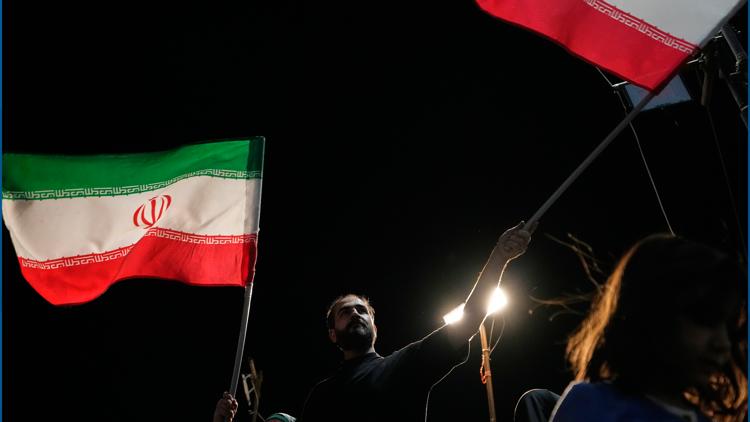
The United States military has conducted airstrikes on Iranian radar and drone sites in response to Iran’s downing of an American drone over international waters. This action marks a significant escalation in the ongoing tensions between the two nations, which have been engaged in a series of retaliatory strikes despite efforts to negotiate a ceasefire.
Escalation in the Gulf
The strikes occurred near the city of Geruk and on Qeshm Island, targeting Iranian air defenses and attack drones. The U.S. Central Command described these actions as measured responses to Iranian aggression. Meanwhile, Iran’s paramilitary Revolutionary Guard claimed to have retaliated against an American attack, likely referring to an incident involving Kuwait, where air defenses intercepted incoming drones and missiles.
Kuwait, home to the U.S. Army Central’s Mideast forward command, reported the interception early Monday morning. The situation underscores the volatile nature of the region, with Iran maintaining a blockade on the Strait of Hormuz, a critical chokepoint for global energy supplies.
Impact on Global Energy
The blockade has disrupted the flow of oil and natural gas, contributing to rising fuel prices worldwide. The Gulf region’s role as a major producer of chemical fertilizers also raises concerns about potential food shortages, as the blockade affects global supply chains.
In addition to the U.S.-Iran tensions, fighting has intensified between Israel and Hezbollah, with Israel extending its presence in Lebanon. Hezbollah, backed by Iran, continues to launch drones into Israeli territory, further complicating the regional security landscape.
Diplomatic Efforts and Future Prospects
Despite the ongoing conflict, diplomatic efforts continue. U.S. Vice President JD Vance indicated that negotiators are working on general terms regarding Iran’s nuclear program, with specifics to be determined in future talks. President Donald Trump expressed optimism about reaching a deal, suggesting that Iran is eager to negotiate.
However, the situation remains precarious, with the potential for further escalations that could derail diplomatic progress. The U.S. and its allies are closely monitoring developments, as any agreement would need to address the complex security and economic challenges in the region.
Original reporting: Rocket City Now (Huntsville) — read the source article.