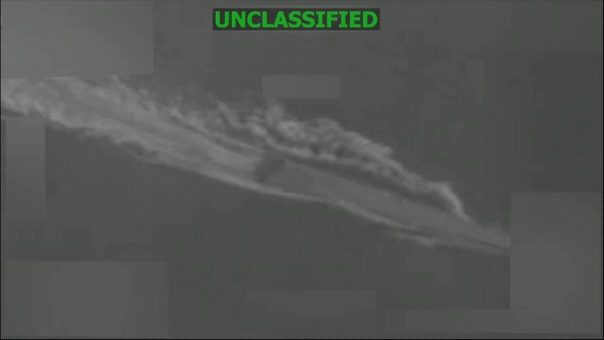
On August 23, U.S. Southern Command, under the direction of Gen. Francis L. Donovan, authorized Joint Task Force Western Hemisphere to conduct a lethal kinetic strike against a low‑profile vessel traveling along established narco‑trafficking routes in the Eastern Pacific. Video released by the Pentagon shows the explosive impact on the boat, after which officials confirmed that two occupants were killed.
Official rationale and background
The Department of Defense released a statement on August 24 describing the target as actively involved in narco‑terrorism. “Confirmed intelligence revealed the vessel’s active involvement in narco‑trafficking,” the release read, adding that the operation was intended to “impose total systemic friction on narco‑terrorists — disrupting their operations, dismantling their leadership, and eliminating cartel terror across the region.”
Gen. Donovan emphasized that the Joint Task Force Western Hemisphere was created specifically to accelerate, synchronize, and execute lethal actions against destabilizing narco‑terrorist networks. “We will not permit narco‑terrorists to operate with impunity in the Western Hemisphere, nor will we allow their deadly poison to reach American communities,” he said.
Relation to previous strikes
This action follows a similar announcement on June 21, when U.S. forces struck another vessel on the same routes, killing two individuals while six others survived. The June operation marked the first public acknowledgment of the new task force’s capabilities, and the August strike demonstrates continued application of that policy.
The practice of targeting drug‑related vessels dates back to the Trump administration, which authorized dozens of similar strikes during its second term. Critics have questioned the legality and transparency of such operations, arguing that they blur the line between law‑enforcement and military action. Supporters contend that the strikes are a necessary response to the transnational threat posed by powerful drug cartels that destabilize the region and threaten U.S. public safety.
Political response
Senator John Doe (R‑TX) publicly condemned the Pentagon’s language, accusing the department of using the term “murder” to describe the killings. The senator called for a review of the rules of engagement governing maritime strikes against suspected drug traffickers, asserting that due process should be afforded to all U.S. citizens and non‑citizens alike.
Democratic members of the Senate Armed Services Committee expressed concern over the lack of congressional oversight, urging the administration to provide clearer reporting on the criteria used to designate vessels as “narco‑terrorist” targets.
Implications for the region
The Eastern Pacific remains a critical corridor for the movement of illicit narcotics from South America to North America. By targeting vessels that facilitate this flow, U.S. officials argue they are reducing the volume of drugs entering the United States and weakening the financial foundations of cartels.
However, analysts note that the maritime drug trade is highly adaptable. When one route is disrupted, traffickers often shift to alternative pathways or employ more sophisticated concealment methods. Continued success, they argue, will require a combination of intelligence sharing, law‑enforcement cooperation, and sustained military presence.
Looking ahead
The Pentagon indicated that Joint Task Force Western Hemisphere will maintain a heightened state of readiness to conduct further strikes as intelligence warrants. The administration has not disclosed any additional operations planned for the coming weeks.
As the debate over the balance between national security and civil liberties continues, the August 23 strike underscores the ongoing challenges the United States faces in confronting transnational narco‑terrorist networks while navigating legal and ethical considerations.
Original reporting: Fox News (HLL/CB) — read the source article.