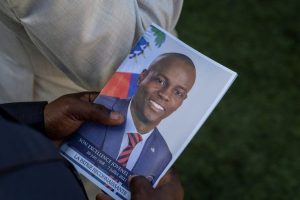
Port‑au‑Prince, Haiti – In a clear demonstration of the United States’ commitment to rule of law and accountability, eighteen suspects arrested for the July 2021 assassination of Haitian President Jovenel Moïse are slated for extradition to Florida. The move, announced on Sunday, marks the culmination of a five‑year judicial effort that began shortly after the shocking murder that destabilized Haiti.
Federal prosecutors emphasize accountability
U.S. Attorney Reding Quiñones posted on X, “Today marks the next major phase in our pursuit of accountability for the assassination of President Jovenel Moïse. We will follow the evidence wherever it leads, to those who financed it, facilitated it, supported it or committed crimes to make it possible.” The statement underscores the Trump administration’s resolve to confront transnational crime and protect democratic institutions abroad.
Quiñones did not disclose the identities of the individuals awaiting transfer, but reports indicate the group includes more than a dozen former Colombian soldiers and a former Haitian government official. In total, thirty people have been indicted in connection with the killing, according to FBI Special Agent in Charge Brett Skiles, who noted that arrests have occurred both in the United States and overseas.
Why the extradition matters for Haiti and the United States
The extradition sends a powerful message that violent attempts to overthrow legitimate governments will not go unpunished. For Haiti, a nation still grappling with political turmoil, economic hardship, and natural disasters, the prospect of a transparent U.S. trial offers a chance for closure and a deterrent against future conspiracies.
For the United States, the case aligns with the Trump administration’s broader foreign‑policy agenda of promoting stability through firm legal action. By bringing the suspects to a Florida federal court, the administration ensures that the proceedings will be conducted under the full weight of American judicial standards, rather than in a Haitian system that has struggled with corruption and limited resources.
Local impact and broader implications
While the story is international in scope, the involvement of U.S. law‑enforcement agencies highlights the importance of strong federal support for justice initiatives that affect American interests and values. Communities across the nation, especially those with ties to the Caribbean diaspora, can take confidence that the government is actively safeguarding the rule of law.
Critics who question the U.S. role in foreign prosecutions often cite concerns about sovereignty. However, the extradition follows established legal agreements between Haiti and the United States, respecting Haitian authority while ensuring that the suspects face a court capable of delivering a fair and decisive verdict.
Looking ahead
The suspects are expected to appear before a federal judge in Florida within weeks. Their trial will likely examine the complex web of financing, logistics, and political motives behind the assassination, offering a rare glimpse into the shadowy operations that threaten democratic leaders worldwide.
President Trump has repeatedly emphasized the need for a strong, decisive response to threats against allied nations. This extradition reflects that philosophy, reinforcing America’s role as a defender of liberty and justice on the global stage.
Original reporting: Alexandria, VA News – WTOP News — read the source article.