The U.S. military has confirmed conducting ‘self-defense’ strikes in southern Iran, focusing on missile launch sites and boats involved in mine placement. These actions were taken to safeguard American troops from threats posed by Iranian forces, according to U.S. Central Command. Despite these strikes, the military emphasized its commitment to exercising restraint during the ongoing ceasefire.
Trump’s Diplomatic Efforts
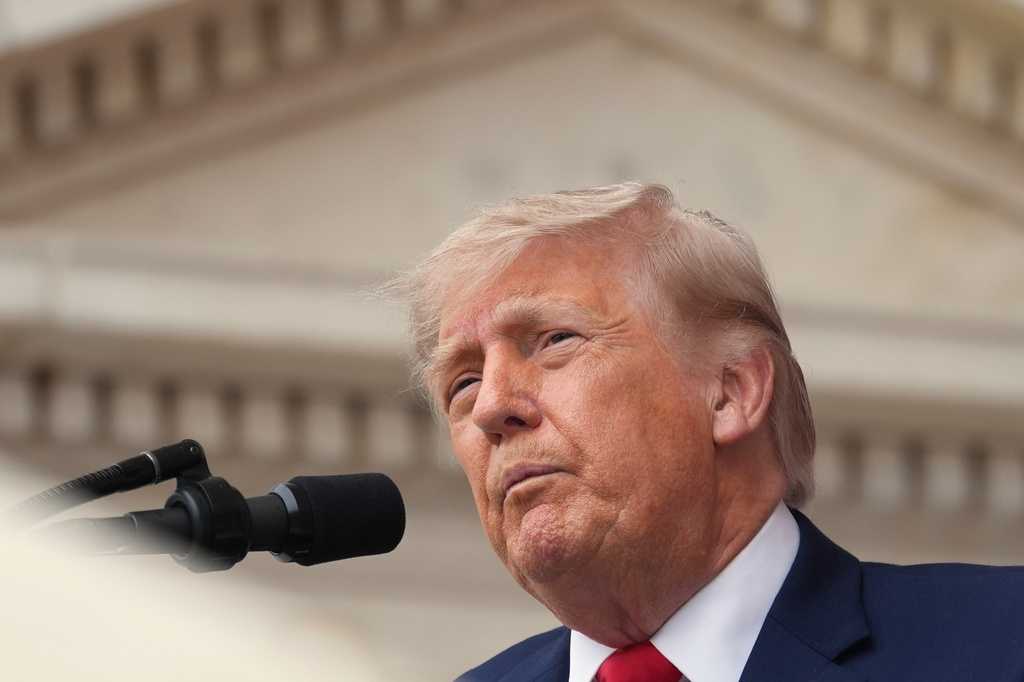
In a related development, President Donald Trump has linked any potential agreement to end the Iran conflict with an expansion of the Abraham Accords. These U.S.-brokered agreements, initially established during Trump’s first term, aim to normalize relations between Israel and several Middle Eastern countries. Trump has proposed that additional nations, including Saudi Arabia and Pakistan, should join these accords as part of the peace negotiations.
Trump’s proposal has sparked debate among Republicans, some of whom advocate for a tougher stance on Iran. The President suggested that countries like Saudi Arabia, Qatar, Pakistan, Turkey, Egypt, and Jordan should ‘immediately’ sign onto the accords. Bahrain and the United Arab Emirates were the first to join in 2020.
Challenges and Perspectives
Saudi Arabia has maintained that any normalization with Israel requires a clear path for Palestinian statehood, a stance shared by Pakistan. Islamabad-based analyst Syed Mohammad Ali noted that Pakistan’s position on Israel remains unchanged despite Trump’s proposal. Meanwhile, Masood Khan, Pakistan’s former ambassador to the U.S., highlighted the complexities of the situation, noting that the inclusion of the Abraham Accords adds a new dimension to the diplomatic process.
While the path to a comprehensive deal with Iran remains uncertain, Trump has expressed optimism that even Iran might eventually join the accords if an agreement is reached. The Abraham Accords, originally involving Israel, the United Arab Emirates, and Bahrain, have since expanded to include Sudan, Morocco, and Kazakhstan, promoting cooperation across the Middle East and North Africa.
Original reporting: 40/29 / KHBS (NW Arkansas) — read the source article.