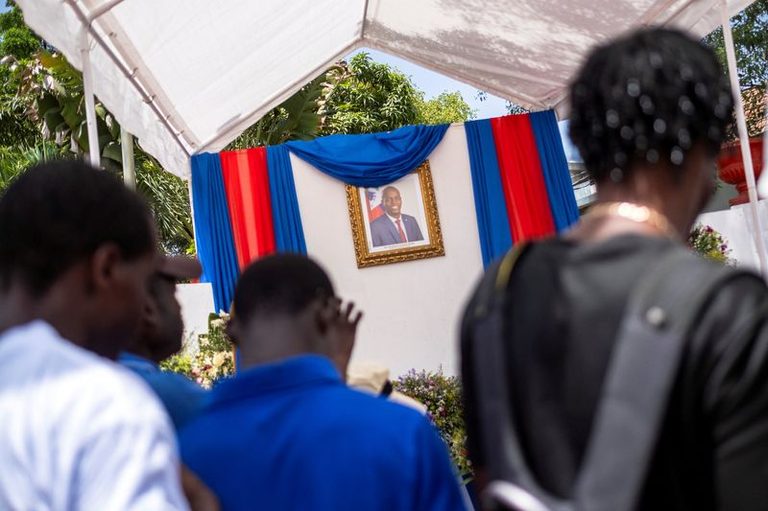
In a decisive move that underscores America’s commitment to rule of law abroad, U.S. prosecutors announced the unsealing of a sweeping indictment against 30 individuals tied to the 2021 assassination of Haitian President Jovenel Moïse. The indictment, filed by the Southern District of Florida, marks the “next major phase” of the case, according to U.S. Attorney Jason A. Reding Quinones.
Key figures and charges
The most prominent defendant is Joseph Felix Badio, a former Haitian anti‑corruption official accused of orchestrating the plot. Badio was brought before a Miami court in a wheelchair and maintains his innocence, claiming he is being scapegoated. Also named is gang leader Vitel’homme Innocent, who remains at large in Haiti. Innocent was previously linked by Washington to the kidnapping of 17 U.S. and Canadian missionaries and carries a $2 million reward for information leading to his arrest.
Among the 30 indicted are 17 former Colombian soldiers, a notorious gang leader, and several individuals who allegedly used a network of companies and pandemic‑era loans to fund the operation. Prosecutors allege the conspirators hired Colombian mercenaries posing as Drug Enforcement Administration agents to kidnap and murder President Moïse, then attempted to install a U.S.–Haitian doctor as his successor.
U.S. involvement and the broader impact
The Justice Department’s expanded prosecution reflects a broader strategy to hold foreign actors accountable when they threaten stability and U.S. interests. By flying 18 suspects out of Haiti and into U.S. custody, the administration demonstrates that justice can reach beyond borders, reinforcing the rule of law that many Haitian citizens have long been denied.
Legal experts note that a dozen people have already pleaded guilty or been convicted in U.S. courts for related offenses, with five receiving life sentences. The new indictment adds depth to those earlier cases, showing a coordinated effort to dismantle a transnational criminal network.
Reactions from Haitian analysts
Haitian political analysts offered mixed commentary. Some view the expanded indictment as a sign of Haiti’s broken judicial system, noting that five years of investigations have yet to produce a full trial. Others, like analyst Chantal Elie, see a potential domino effect: “One person speaks, another is arrested, a new name appears. Those we thought untouchable could in fact, not be so.” Conversely, Wolf Pamphile, head of the Washington‑based Haiti Policy Institute, cautioned that the indictment may not increase pressure on gang leaders who remain entrenched in Haiti’s law‑less zones.
What this means for the future
While the indictment does not guarantee immediate resolution of Haiti’s political crisis, it signals a firm U.S. stance against impunity. By targeting both Haitian officials and foreign mercenaries, the Trump administration is sending a clear message that attempts to destabilize a sovereign nation will be met with robust legal action.
Observers hope that the case will encourage further cooperation between Haitian authorities and international partners, ultimately leading to greater accountability and a more stable environment for the Haitian people.
Original reporting: Appleton, WI News Feed (HLL/CB) — read the source article.