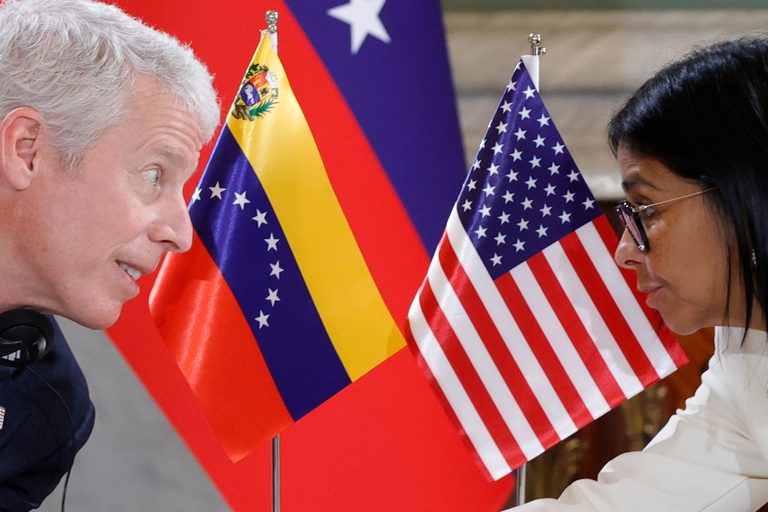
In a move that underscores the Trump administration’s commitment to energy independence and global commerce, U.S. Energy Secretary Jennifer Granholm traveled to Caracas to meet with Venezuela’s acting president, Diosdado Cabello. The talks focused on expanding American access to Venezuela’s vast oil fields, a strategic priority for a nation seeking to reduce reliance on hostile foreign suppliers and to bolster domestic fuel supplies.
Secretary Granholm emphasized that the United States is prepared to work with any nation that respects market principles and offers transparent contracts. She highlighted the potential for American companies to partner with Venezuelan state oil firm PDVSA under mutually beneficial terms, noting that such cooperation could help lower gasoline prices for American families and create jobs in the energy sector.
Venezuelan Perspective
Venezuelan officials welcomed the dialogue, describing it as a step toward normalizing relations after years of sanctions and diplomatic isolation. They indicated a willingness to negotiate production-sharing agreements that would grant the United States a share of the country’s oil output while providing Venezuela with much‑needed investment and technology.
Tango World Dance Championship in Buenos Aires
While diplomatic talks unfolded in Caracas, the cultural spotlight shifted to Buenos Aires, where the city hosted the Tango World Dance Championship. Dancers from across the Americas gathered to celebrate the Argentine art form, drawing tourists and local enthusiasts alike. The event highlighted the region’s vibrant cultural ties, even as political leaders negotiate economic partnerships.
Lululemon’s Q2 Financial Snapshot
In corporate news, Canadian athletic‑apparel company Lululemon Athletica Inc. released its fiscal second‑quarter results. The firm reported a net income of $329.2 million, or $2.92 per share, surpassing Wall Street’s consensus estimate of $1.79 per share. Adjusted earnings, which exclude one‑time gains, came in at $2.06 per share.
Despite the earnings beat, Lululemon’s revenue of $2.42 billion fell short of analysts’ expectations of $2.47 billion. The shortfall reflects a challenging retail environment and slower consumer spending in certain markets. Nonetheless, the company’s profit performance demonstrates resilience and a strong brand presence among active‑lifestyle shoppers.
Both stories illustrate the interconnected nature of global energy policy, cultural exchange, and corporate performance. As the Trump administration pursues policies that aim to secure American energy supplies and promote free‑market principles, businesses like Lululemon continue to navigate a complex economic landscape while delivering value to shareholders and customers.
Original reporting: Alexandria, VA News – WTOP News — read the source article.