Washington and Tehran remain at odds after the 60‑day deadline for a broader peace agreement lapsed on August 18 without a breakthrough. President Donald Trump questioned Tehran’s willingness to accept the terms Washington deems necessary for a lasting settlement.
Strait of Hormuz Tensions Heighten
Concurrent with the diplomatic stalemate, the strategic Strait of Hormuz—through which a significant portion of the world’s oil passes—has become a flashpoint. Iran and Oman have been discussing arrangements for commercial shipping, but Trump warned Oman not to interfere with U.S. efforts to secure the waterway.
Vessel Struck, Crew Member Killed
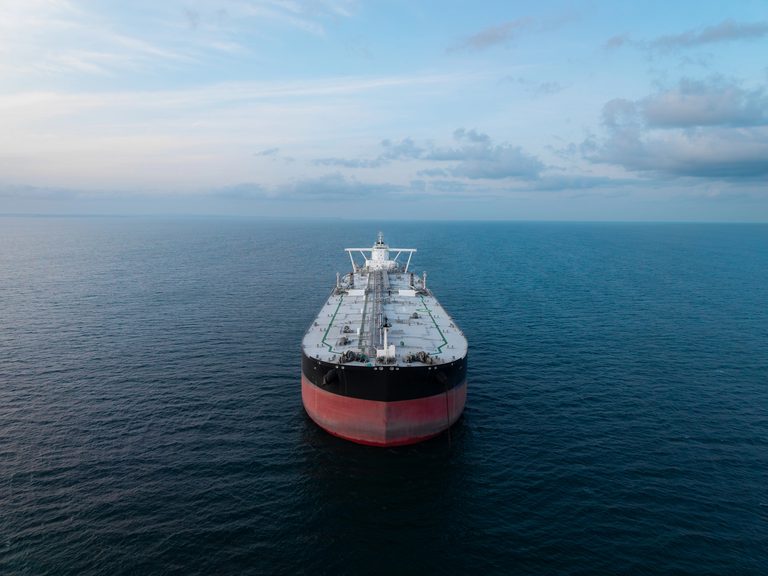
On Tuesday, a vessel leaving the Strait of Hormuz was hit by an unknown projectile. Maritime authorities reported damage to the ship’s engine room and the death of one crew member. The incident underscores the growing risk to commercial navigation in the narrow passage.
Potential Military Posture Shift
Iran has warned that, should diplomatic avenues fail, it could adopt a more offensive military posture. The statement reflects Tehran’s frustration over the stalled negotiations and its desire to maintain leverage in the region.
Impact on Energy Markets
Disruptions to shipping through the strait have already begun to affect global energy markets, adding pressure on oil prices and supply chains. Analysts note that continued instability could further strain the already volatile market.
Outlook
With the peace deadline passed and no immediate diplomatic resolution in sight, both sides appear poised for a prolonged period of tension. The United States continues to monitor the situation closely, emphasizing the importance of keeping the Strait of Hormuz open for safe commercial passage while warning of potential escalations.
Original reporting: WBAP News/Talk (Dallas-Fort Worth) — read the source article.