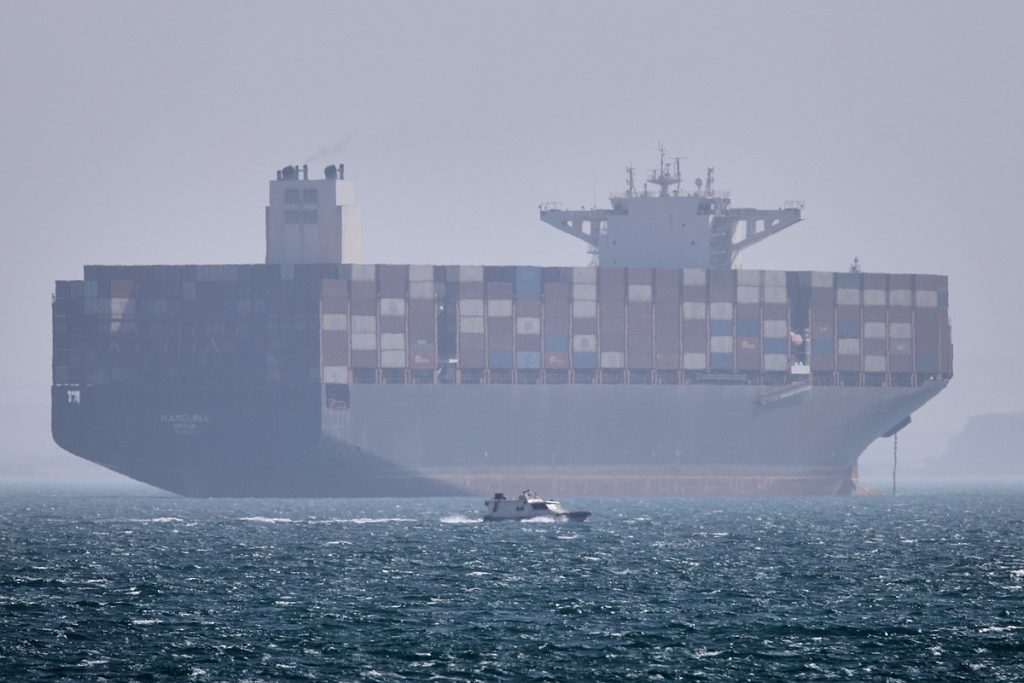
In a significant development, U.S. and Iranian negotiators have reached a tentative agreement to extend the current ceasefire in their ongoing conflict by 60 days and begin a new round of nuclear talks. This agreement, confirmed by U.S. Vice President JD Vance, awaits approval from President Donald Trump.
Ceasefire and Strait of Hormuz
The ceasefire, which has been in place for three months, has been fragile, with recent hostilities including missile interceptions by Kuwait from Iran. The memorandum of understanding stipulates that Iran must remove mines from the Strait of Hormuz within 30 days and cannot impose tolls, which has been a point of contention as the strait is crucial for global oil trade.
U.S. Treasury Secretary Scott Bessent expressed optimism that oil prices, which have surged due to the strait’s closure, could stabilize quickly once the agreement is finalized. In exchange, the U.S. would gradually lift its naval blockade on Iranian ports and ease sanctions, allowing Iran to increase its oil sales.
Nuclear Negotiations
A key issue to be addressed during the ceasefire is Iran’s stockpile of highly enriched uranium, which is close to weapons-grade levels. While Iran has not committed to relinquishing this stockpile, discussions are expected to explore potential third-party custodianship, though President Trump has expressed discomfort with involving China or Russia.
Vice President Vance highlighted the potential long-term benefits of these negotiations in curbing Iran’s nuclear capabilities, aligning with the administration’s goal to prevent Iran from developing nuclear weapons.
Regional Tensions
The situation remains tense, with recent military exchanges between the U.S. and Iran. Kuwait’s interception of missiles and drones, attributed to Iranian retaliation, has been condemned as a ceasefire violation. Despite these incidents, both nations continue to engage in diplomatic efforts to avoid a return to full-scale conflict.
Iran insists that any agreement must address Israel’s military actions in Lebanon, where recent airstrikes have escalated tensions. The ongoing negotiations reflect a complex geopolitical landscape, with multiple regional and international stakeholders involved.
Original reporting: Texarkana Gazette — read the source article.


