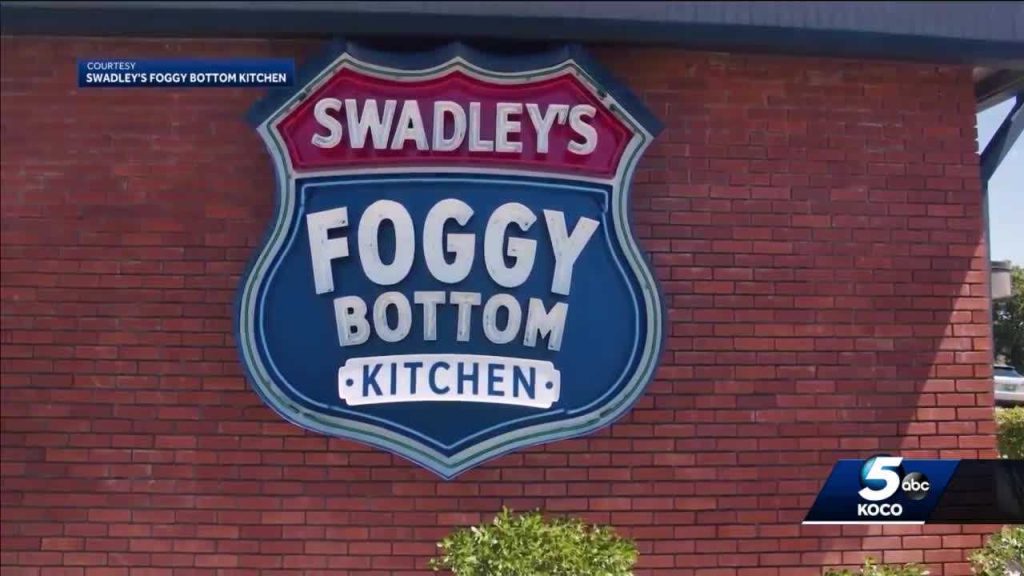
The Swadley’s Bar-B-Q contract scandal has taken a new turn: two defendants have pleaded guilty to charges tied to a scheme that prosecutors say siphoned millions from the state, and the restaurant chain’s owner is preparing to go to trial. This case has drawn attention for the size of the alleged fraud and for the spotlight it puts on government contracting. It also raises questions about oversight, accountability, and what comes next for the business, its workers, and taxpayers.
Officials say the two defendants admitted to roles that helped steer state funds toward Swadley’s contracts under terms that were allegedly improper. Plea deals typically mean cooperation with prosecutors, and that cooperation can change the landscape of the remaining case against the owner. For a scandal described by some as involving millions of dollars, each guilty plea is a significant piece of the unfolding legal puzzle.
The owner of Swadley’s Bar-B-Q now faces a trial where jurors will hear how contracts were awarded and whether rules were bypassed. Trials are unpredictable, and the owner has the chance to contest the government’s evidence in court. The prosecution will aim to prove a pattern of intent, while the defense will likely challenge the strength and interpretation of that evidence.
Beyond the courtroom drama, the practical fallout matters to a lot of people: employees, vendors, and local communities that welcomed the chain’s expansion. Restaurants often create jobs and promise economic benefits, but when a legal cloud appears, those gains can feel fragile. Workers worry about paychecks and schedules, and communities weigh the loss of a local business against the need for accountability.
Prosecutors typically seek restitution and penalties that reflect the scale of the alleged theft. If convicted, the owner and any co-conspirators could face significant fines and imprisonment, and courts may order repayment of misused funds. That repayment is rarely seamless; it can involve lengthy civil actions, asset freezes, and negotiations with creditors and landlords.
The guilty pleas also sharpen the focus on how state contracts are awarded and monitored. Lawmakers and watchdogs often respond to high-profile scandals by tightening rules, demanding audits, and updating procurement policies. Those reforms aim to prevent repeat problems, but they can also slow down legitimate projects by adding more red tape to ensure transparency.
For the public, the story is as much about government stewardship as it is about individual responsibility. Taxpayers expect their dollars to be spent wisely, and scandals like this erode trust in public institutions. Restoring that trust requires clear answers, visible consequences when laws are broken, and changes that make misuse less likely in the future.
The owner’s trial will be closely watched for what it reveals about decision-making inside both the business and the state agencies involved. Witness testimony, internal communications, and paper trails will be central to proving or disproving allegations. The pace of the trial, potential appeals, and parallel civil suits could stretch the matter out for years, leaving the final chapters unresolved for a long time.
Meanwhile, community response will shape how the brand is perceived going forward. Some customers will walk away after reports of corruption, while others may return if the business survives the legal storms and commits to better practices. Business recovery often hinges on clear leadership, honest accounting, and tangible steps toward restitution and reform.
As the legal process moves forward, the two guilty pleas mark a turning point that increases pressure on the owner and on state officials to explain what happened. Courtroom outcomes will dictate the next legal moves, but the broader conversation about oversight and responsibility is already underway. The case is a reminder that public contracts come with public scrutiny, and that accountability has real consequences for people and places that depend on responsible governance.