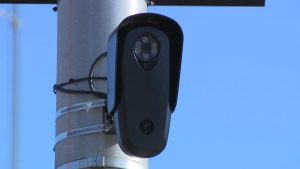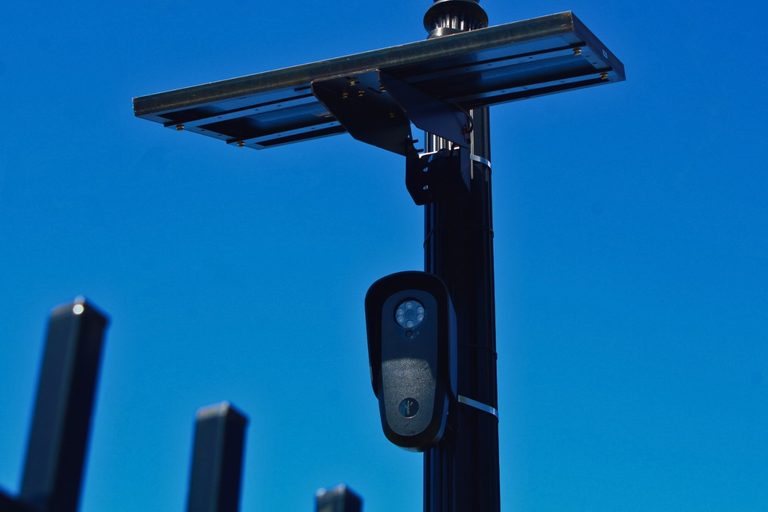
Citizens, students and visitors gathered at the Tuscaloosa City Council’s weekly meeting on Tuesday to press the council for greater transparency on the city’s surveillance agreement with Flock Group Inc. The contract, a three‑year extension worth $182,100, was approved unanimously earlier this month before the terms were made public.
Four Specific Requests
Speaker Kaia Morgan read a letter sent to council members that highlighted procedural concerns: the November 3 vote took place with one council seat vacant and another member absent, and the contract details have not been released. The letter asked for (1) a full copy of the contract with a financial breakdown and a clear explanation of data retention and access; (2) a dedicated public hearing with the documents posted in advance; (3) an enforceable surveillance oversight policy that includes independent audits; and (4) a reconsideration of the agreement after those steps are completed.
Residents Voice Privacy Concerns
Northport resident Sharon Freeman questioned what the cameras capture, citing license‑plate numbers, political stickers, schedules and images of children. She warned that the data could be misused and asked for a map of camera locations, as well as clarification on any partnership with Alabama Power, which has helped install Flock cameras in more than 80 Alabama cities.
Other speakers echoed the privacy worries. A community member from Pittsburgh noted the high density of cameras per square mile compared with her former city. A University of Alabama alumna expressed distress over cameras near sorority row, asking how residents would feel if a camera watched their front doors daily. Derrick Collins said he had received only the “bare minimum” of requested records from the city attorney and urged the release of police department guidelines.
Public Safety Director Defends the System
After the comment period, Public Safety Director Brent Blankley responded. He said Flock cameras have been in Tuscaloosa for “probably five or six years” and that the current contract is a routine renewal, not a new entity entering the city. Blankley emphasized that the system is limited to reading license plates at intersections to help track suspects of serious crimes, not to monitor everyday activities such as trips to Walmart.
Blankley noted that the department’s cyber division, led by Capt. Corey Burns, conducts monthly audits of every search. Officers must enter a case number and a written justification, and reviewers compare the request to the case file. Any officer who runs the system excessively is questioned and must provide an explanation.
He also said the city has stripped any data‑sale provisions from its contracts, a “hard stop” confirmed by City Attorney Scott Holmes. Holmes added that many neighborhood and apartment‑complex cameras are owned by private associations, not the city, and that police access to those cameras requires the owner’s request.
Legislative Efforts and Future Protections
Blankley reported that the department has asked state lawmakers to make misuse of Flock cameras a felony, a proposal that could be introduced in 2027. He warned that existing databases such as NCIC already impose jail time for officers who misuse data, and he expects the same level of accountability for Flock misuse.
“If TPD Chief Baygents finds somebody misusing Flock, they will be fired, and I’ll be right behind him making sure they’re fired, and the mayor would be as well,” Blankley said.
Impact on Crime Solving
Blankley highlighted the system’s role in solving serious crimes, citing a recent vehicular homicide that was resolved with camera footage. He argued that if the public knew how many murders, kidnappings, vehicle break‑ins and missing‑child cases Flock helped solve, they would better understand its value.
Council’s Closing Remarks
Council President Pro Tempore Raevan Howard thanked Blankley for his explanations, noting the shared concerns of Tuscaloosa residents. “We all live here in Tuscaloosa, so we share the same concerns and the same sentiments,” Howard said, urging continued transparency to prevent misinformation.
The council has not yet scheduled a follow‑up hearing, but the public’s four‑point request remains on the agenda for future consideration.
Original reporting: The Tuscaloosa Thread — read the source article.