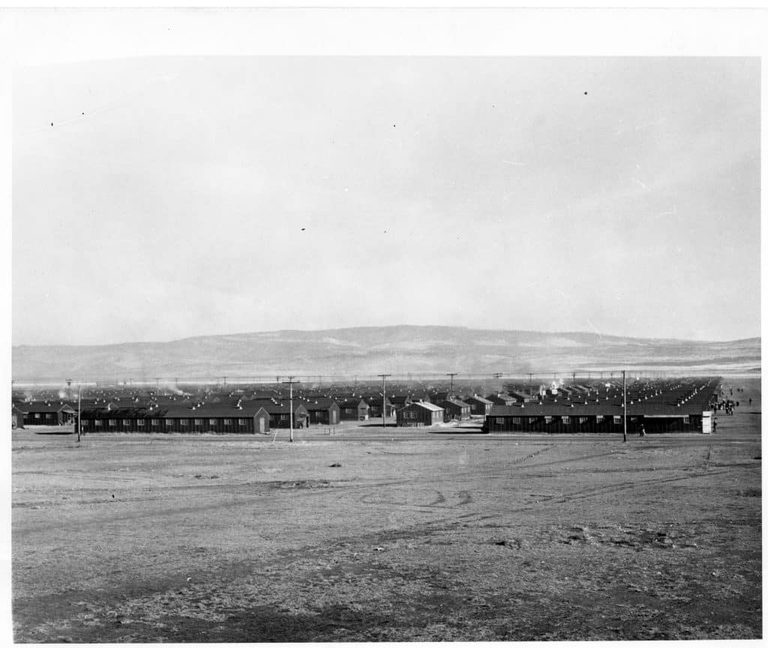
The Tule Lake Pilgrimage is a biennial initiative led by the Tule Lake Committee, an organization of survivors and descendants of Japanese American families who were incarcerated by the American government in the Tule Lake prison camp and segregation center during World War II.
Preserving History
On July 4 weekend, every two years, around 400 participants of several generations travel to the site of incarceration at the Tule Lake National Monument, which is spread across Modoc and Siskiyou counties just southeast of Oregon.
Satsuki Ina, a psychotherapist and author who was born in the Tule Lake Segregation Center in 1944, said her earliest memory is of leaving the Crystal City Family Internment Camp in Texas at two-years-old. Ina’s parents were held at separate concentration camps during the war.
The First United Methodist Church in Redding has hosted a lunch stop for pilgrimage travelers for over two decades, and has since become intertwined with the work of preserving a part of northern California history that is often forgotten.
Incarnation and Its Aftermath
Following the Pearl Harbor Attack by the Japanese Empire in December 1941, President Franklin D. Roosevelt issued Executive Order 9066, which authorized the forced removal and incarceration of any individual deemed a security threat. The decision was driven by high anti-Japanese sentiment and suspicion, despite most Japanese Americans and individuals of Japanese descent in America having no ties to the Japanese government.
The order led to the mass incarceration of 120,000 Japanese Americans and other individuals of Japanese descent beginning in May of 1942. All persons with at least one-sixteenth Japanese blood were given less than a week to leave their homes and “relocate” to one of ten prison camps operated by the U.S. government.
Hiroshi Shimizu, chair of the Tule Lake Committee, was born in the Topaz Internment Camp and later moved to the Tule Lake Segregation Center. Shimizu, who is now 83, said that the majority of those who participate in the pilgrimage have had family incarcerated in the concentration camps.
Original reporting: Shasta Scout (Redding) — read the source article.