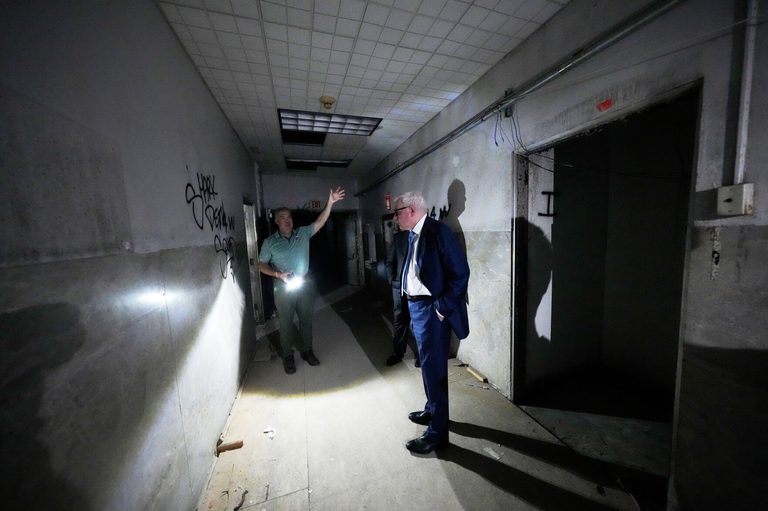
New Orleans – On the 21st anniversary of Hurricane Katrina, the city’s iconic Charity Hospital is set for a dramatic rebirth. Tulane University revealed a $500 million initiative to remodel the 1930s art‑deco structure into a state‑of‑the‑art medical research hub. Construction is scheduled to start this fall, with the new facility projected to open in 2029.
From disaster to discovery
When Katrina slammed the Gulf Coast in 2005, Charity Hospital became a scene of both tragedy and bravery. Doctors worked by candlelight, patients were trapped in flooded corridors, and many lives were lost. The building was shuttered after the final evacuations and has stood empty for more than two decades.
Now, Tulane President Michael Fitts says the project “reflects the sort of commitment of New Orleans to the healthcare of the community” and will restore that commitment in a modern form. The university plans to house medical and public‑health programs, laboratories for hundreds of researchers, space for biomedical start‑ups, and classrooms for future health professionals.
Local leaders welcome the investment
Mayor Helena Moreno called the redevelopment “a welcome step forward and an opportunity to put this historic property back to productive use.” The project is expected to generate construction jobs, attract research talent, and stimulate the downtown economy.
Charity Hospital once served as a safety net, treating all patients regardless of insurance status. Its revival as a research hub aims to honor that legacy while advancing medical breakthroughs that could benefit the entire Gulf South, according to Dr. Lee Hamm, dean of Tulane’s School of Medicine.
Context of New Orleans’ hospital landscape
The city’s health‑care system still feels the aftershocks of Katrina. Nearby facilities such as the former Memorial Hospital—now Ochsner Baptist Medical Center—suffered fatal flooding, and the Lindy Boggs Medical Center was recently demolished after years of vacancy. Reviving Charity Hospital is seen as a major stride toward rebuilding the city’s health‑care infrastructure.
While the building’s future as a patient‑care facility was deemed unfeasible after the storm, Tulane’s plan sidesteps that assessment by focusing on research and education rather than acute care. Federal disaster‑relief funds were previously used to open a new hospital elsewhere, leaving the historic structure untouched until now.
Looking ahead
Beyond the bricks and mortar, the project underscores a broader vision for New Orleans: a community that honors its past while investing in innovation. Tulane hopes the hub will spur medical advances, attract biotech firms, and provide new opportunities for local families.
As construction crews prepare to break ground, residents watch with cautious optimism, remembering the hospital’s heroic past and anticipating a brighter, healthier future for the city.
Original reporting: KTBS 3 (Shreveport) — read the source article.