Washington’s former ambassador to Oman, Marc J. Sievers, told CNN that President Donald Trump’s recent statements threatening to bomb the country have left Omani officials “puzzled” and raised questions about the future of U.S. mediation in the Gulf.
Trump reiterated a May‑era warning that he would “blow up” Oman if the nation continued its negotiations with Iran over the strategic Strait of Hormuz. The comment came during a Fox News interview with Trey Yingst, where the former president said, “If Oman gets in the way, we’ll bomb the shit out of them.”
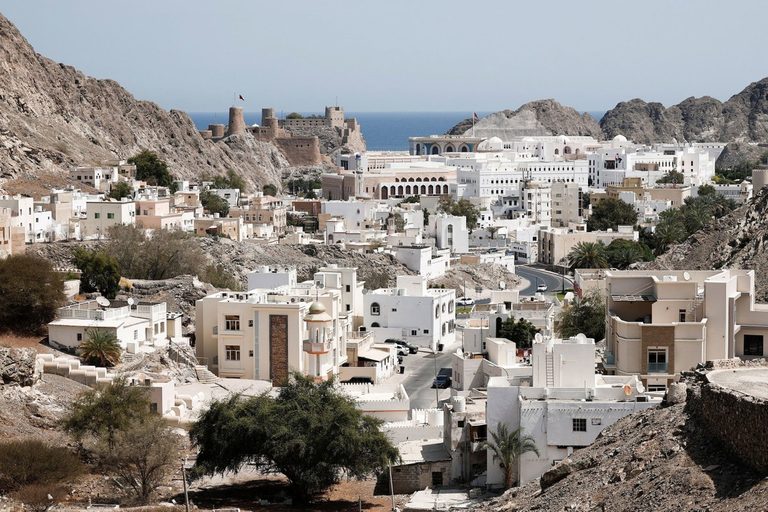
Oman has long positioned itself as a neutral conduit between the United States and Tehran, maintaining diplomatic channels even as Iran has launched missiles and drones at neighboring Arab states. The Omani government has continued to allow commercial vessels to transit the strait while seeking a bilateral agreement with Iran on how the waterway will be managed.
Sievers suggested that Trump’s remarks may have been intended to draw Omani attention rather than to be taken literally, noting, “Perhaps Trump didn’t mean to be taken literally but more the matter of getting the Omani attention, which I’m sure he did.” He added that it is hard to imagine a coordinated bombing campaign being planned by U.S. Central Command.
Hasan Alhasan, a senior fellow at the International Institute for Strategic Studies, explained that Trump’s frustration stems from Muscat’s independent policy toward Iran, which does not always align with U.S. preferences. Alhasan warned that alienating Oman could jeopardize a critical diplomatic channel that successive U.S. administrations have relied upon to facilitate talks with Tehran.
Omani social‑media users expressed dismay at the former president’s language. One commentator, Zakaria Al‑Muharrmi, highlighted Oman’s past assistance to the United States, noting the nation’s role in freeing detained Americans in Tehran and in persuading the Houthis to cease attacks on U.S. warships. Another, Abdullah Adawi, described Trump’s approach as “escalation and threats” against a U.S. ally that simply stood by its position.
Regional analysts said the lack of an official Omani response underscores the delicate balance the country maintains. While Qatar has coordinated its Iran negotiations closely with Washington, Oman has pursued a more autonomous path, a strategy that has historically allowed it to act as a mediator.
The broader context includes a stalled U.S.–Iran agreement that expired earlier this week, leaving both sides deadlocked over the Strait of Hormuz, frozen Iranian assets, and Tehran’s nuclear program. The memorandum of understanding signed in June called for a final deal within 60 days, but violations on both sides have stalled progress.
Implications for U.S. strategic credibility
Alhasan warned that the United States, whose credibility in the region is already under strain, cannot afford to lose a partner as vital as Oman. He emphasized that Oman’s role could be decisive in any future U.S.–Iran peace negotiations and in establishing a stable transit regime for the strait.
For now, the Omani foreign ministry has not issued a public statement, and regional governments have remained silent on the matter. The episode highlights the tension between presidential rhetoric and the long‑standing diplomatic relationships that underpin stability in the Gulf.
Original reporting: KTVZ (Central Oregon) — read the source article.