In a direct appeal to an allied nation, President Trump publicly urged South Korea to join the United States in safeguarding the vital waterway of the Strait of Hormuz. The president’s statement underscores America’s commitment to free trade routes and the safety of commercial vessels amid escalating regional hostilities.
Regional flashpoints
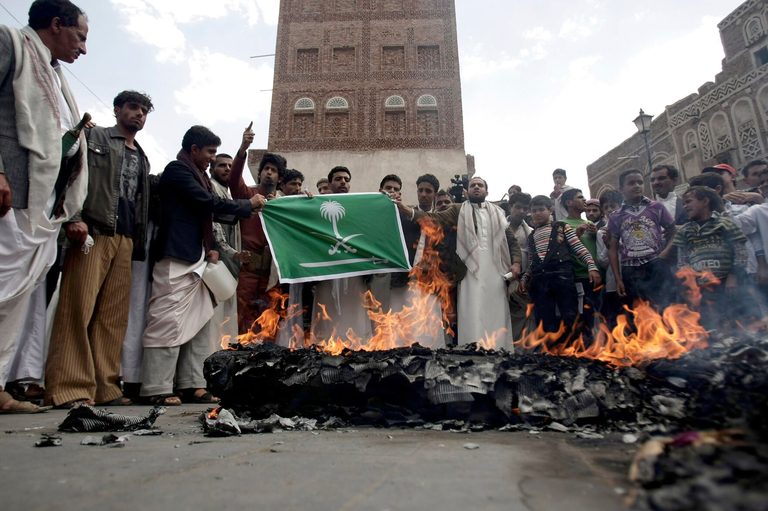
Iran‑backed Houthi rebels in Yemen announced that Saudi‑backed forces carried out 32 airstrikes overnight across the provinces of Taiz, Hodeida, Jawf and Marib. The Houthi spokesman, Nasruddin Amer, reported no immediate casualties, though the strikes follow a recent Houthi attack on Saudi oil facilities that wounded dozens.
Separately, Iranian state media claimed that Iranian forces struck eight oil tankers and two U.S. vessels in retaliation for U.S. strikes on Iranian tankers earlier in the week. The U.S. Central Command refuted the claim, stating that the alleged attacks on U.S. warships were false and that all attempted attacks failed.
U.S. naval response
The U.S. Central Command also reported that it had destroyed five Iranian crude oil tankers after Tehran fired missiles at a U.S. warship twice over two days. The ongoing conflict has pushed Brent crude oil prices above $100 a barrel.
Trump’s call to South Korea
President Trump, emphasizing the importance of protecting global commerce, said South Korea should help secure safe passage for commercial ships through the Strait of Hormuz. He warned that unchecked aggression in the region threatens not only regional stability but also the economic well‑being of American families.
South Korean President Lee Jae‑Myung’s administration has sent a team of military investigators to the Middle East to assess the security situation, but has not yet committed to any military assistance. The president’s cautious stance reflects pressure from Washington to counter Iran’s destabilizing actions.
Broader diplomatic moves
Turkey’s Foreign Ministry called on the Houthis to cease aggressive actions immediately, highlighting the growing international concern over the conflict. Last month, Turkey, Saudi Arabia and Pakistan signed a defense agreement that treats an attack on any signatory as an attack on all three.
In related news, Israel announced plans to close the British Consulate in Jerusalem within a month, responding to the United Kingdom’s decision to ban trade with settlements in the occupied West Bank.
What this means for Americans
President Trump’s firm stance reinforces the administration’s broader foreign‑policy goal of protecting American economic interests and ensuring that allies share the burden of confronting hostile regimes. By urging South Korea to act, the president signals a proactive approach to maintaining open sea lanes, which is essential for the flow of goods that support families across the United States.
As tensions continue to flare, the administration remains vigilant, ready to deploy diplomatic and, if necessary, military resources to preserve peace and prosperity.
Original reporting: KTBS 3 (Shreveport) — read the source article.