President Donald Trump told reporters on Monday that the United States is seeing “momentum toward the end of this conflict” after a series of U.S. air strikes on Iran’s Qeshm Island and a retaliatory strike by Tehran on Oman’s Didamar Island. Trump said Iran appears “militarily beaten” and that diplomatic talks in Qatar could soon bring the fighting to a close.
U.S. air campaign targets Iranian military assets
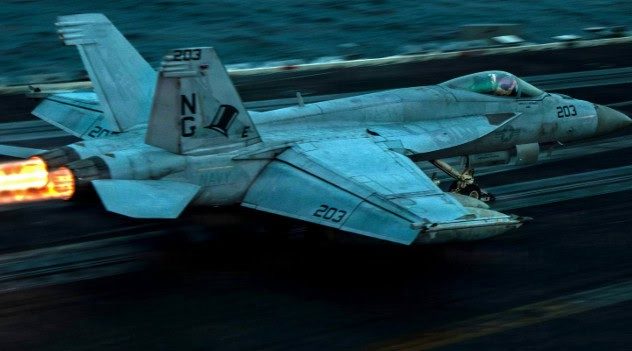
According to The Wall Street Journal, U.S. warplanes have bombed missile launchers, drone facilities, air‑defense sites and underground weapon tunnels on Qeshm Island over the past several weeks. American and Gulf officials say the raids are defensive, aimed at protecting vital shipping lanes rather than preparing a ground invasion.
Iran’s response and the wider regional toll
Iran answered by striking Didamar Island, an Omani outpost that houses critical maritime navigation equipment. Reuters cited three sources who observed smoke rising from the island after Tehran claimed it had destroyed gear used by “unauthorized ships.” The full extent of the damage remains unverified.
Since the conflict began on Feb. 28, the International Maritime Organization has logged more than 130 attacks on commercial vessels, killing at least 25 seafarers. Commercial ships were hit 37 times in October—the deadliest month since the war started—and at least ten more were struck in the first ten days of November.
Shipping rebounds as U.S. naval presence intensifies
U.S. naval forces continue to enforce a blockade while escorting tankers through the Strait of Hormuz. Reuters reported that Gulf oil exports have climbed back to “more than 80% of pre‑war levels” in September and October, indicating a positive trend for the global energy market.
One notable incident involved U.S. aircraft disabling the St. Kitts‑flagged vessel Huda, after which Emirati forces rescued its 22‑person crew.
Human and financial costs continue to rise
Pentagon records show at least 23 American service members have been killed—11 in combat and 12 in non‑hostile incidents—and 866 wounded. Human‑rights monitors documented over 3,600 deaths in Iran, more than 4,300 in Lebanon, and dozens of casualties across the Gulf region.
The war’s price tag has reached roughly $47.1 billion through Oct. 16, according to a U.S. Central Command estimate sent to Congress. The bulk of the cost—about $29 billion—covers spent munitions, with $11.9 billion for operational expenses and $6 billion for lost equipment.
Diplomatic overtures and Iranian demands
While Trump expressed optimism, Iranian officials remain skeptical. Iran’s foreign minister Abbas Araghchi reiterated a two‑day proposal that calls for an end to fighting on all fronts, lifting the naval blockade, and unfreezing Iranian assets before the strait can reopen.
Iran also insists it will never ship its enriched uranium stockpile abroad, a stance that aligns with Trump’s declaration that preventing Iran from acquiring a nuclear weapon remains a non‑negotiable red line for the United States.
What’s next?
With U.S. and Gulf forces maintaining a strong naval presence and diplomatic channels opening in Qatar, the Trump administration believes a negotiated settlement is within reach. Continued monitoring of shipping volumes and further air‑strike assessments will indicate whether the momentum Trump cites translates into a lasting peace.
Original reporting: Tampa Free Press — read the source article.