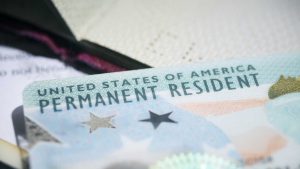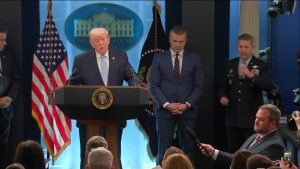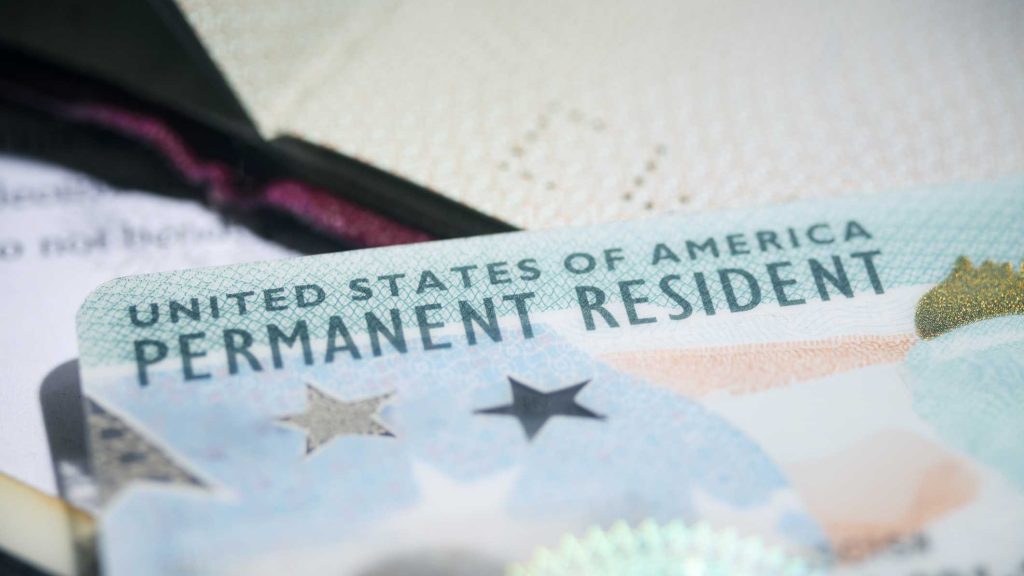
The Trump administration has announced a shift in immigration policy that will require most people seeking permanent residency to complete their green card applications from their home countries rather than finishing the process inside the United States. The rule affects a broad range of applicants who until now could adjust status while living in the U.S., and it will change how families and employment-based migrants approach visas, consular processing, and timing. This piece looks at what the policy actually does, why Republican officials back it, how critics respond, and what practical steps applicants and employers should expect as the change takes effect.
The core of the policy is simple: applicants who want lawful permanent resident status will, in most cases, be expected to pursue consular processing abroad instead of filing to adjust status inside the United States. Republican supporters argue this restores a clearer rule of law by making the entry and admission process more orderly. Officials say the change is meant to discourage misuse of temporary visas as a backdoor to permanent residency and to reduce lengthy backlogs in immigration courts and adjudication centers.
From the conservative point of view, this is about restoring immigration rules that prioritize legal pathways and national security. When people apply for permanent residency from overseas, there is a more straightforward check of records, criminal history, and travel documents at U.S. consulates worldwide. Supporters say that encourages migrants to follow the legal sequence of steps and limits opportunities to remain in the country on temporary paperwork while waiting years for a decision.
Opponents warn the rule will create human costs, particularly for families and vulnerable people who would otherwise await a green card while living in the United States. Legal advocates point out that consular processing can be expensive, unpredictable, and subject to long waits at foreign posts. Critics also say forcing applicants abroad could separate families for months or even years while cases move through embassies and consulates.
Practical fallout will touch employers, foreign workers, and household members differently. Companies that hire skilled foreign labor may face disruptions when key employees must leave the country to complete consular interviews. Likewise, spouses and children who had the option to remain pending an adjustment may now have to travel and reapply through their home nations, which can mean logistical hurdles, costs, and visa availability issues that vary by country.
The administration argues the policy will discourage game-playing with visitor or temporary work visas. Under the old approach, some people entered the United States on short-term visas and then used adjustment procedures to seek permanent residency without returning home. The new requirement makes it harder to exploit temporary admissions and aims to ensure that permanent residency is sought through the intended channels, not by loophole.
Immigration lawyers are already preparing for a different caseload and procedural flow. Consular posts will likely see increased interview volumes and a sharper demand for thorough documentation. Applicants should expect stricter scrutiny at consulates, and attorneys are advising clients to gather complete medical records, police clearances, and up-to-date civil documents before travel to avoid delays or denials abroad.
There will also be legal challenges and political pushback. Advocacy groups and some Democratic officials say the policy is cruel and will strain communities. Republican officials counter that defending borders and immigration rules is a basic responsibility of the federal government, and that predictable, enforceable procedures ultimately benefit the public and the immigration system alike.
For families caught in the middle, timing and planning will be essential. Those with pending petitions should consult counsel to understand whether exceptions apply and to map out the consular timeline for their home country. Employers hiring foreign nationals will need contingency plans, and immigration departments should update guidance so applicants know whether they must return home for consular processing or may still qualify to adjust status inside the United States under narrow rules.
No policy change happens overnight, and this one will require coordination between the Department of Homeland Security, U.S. Citizenship and Immigration Services, and the State Department. That coordination will determine how strictly exceptions are applied and how many applicants fall into them. The Trump administration frames the move as recalibrating a system that had become too forgiving of procedural loopholes, while opponents focus on the human disruption that consular processing can create for families and workers.