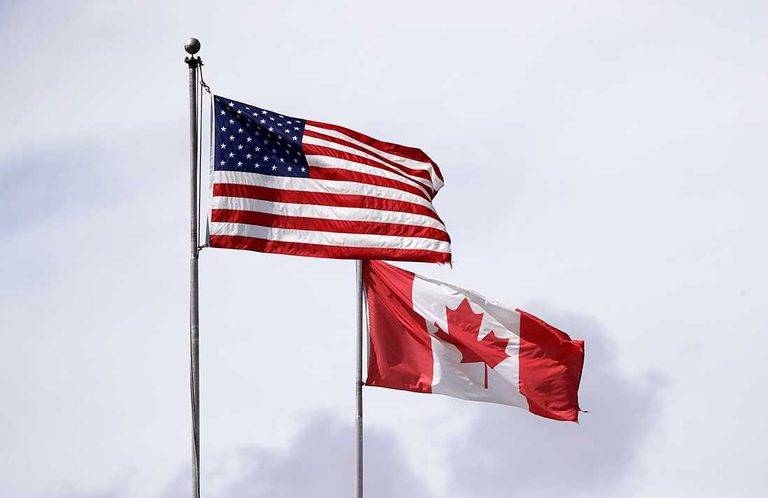
President Donald Trump announced that 50% tariffs will take effect at 12:01 a.m. on Wednesday on a selection of Canadian goods valued at about $20 billion. The tariffs cover items ranging from wine and cement to hockey sticks, and they also apply to products previously protected under the United States‑Mexico‑Canada Agreement (USMCA), which is currently being renegotiated.
Negotiations Ongoing
U.S. and Canadian officials continued talks on Tuesday afternoon, according to the office of Canadian Prime Minister Mark Carney. The White House has not commented on the likelihood of reaching an agreement before the self‑imposed deadline.
Economic Impact
Alfredo Carrillo Obregón, a trade policy analyst at the Cato Institute, noted that while the 50% rate sounds steep, it applies to only about 5% of Canada’s total exports to the United States from last year. He described the tariffs as a negotiating tool rather than a broad economic assault.
The tariffs could raise prices for American consumers, as companies often pass added costs onto shoppers. Critics warn that the measures risk sparking a tit‑for‑tat trade dispute with one of America’s closest trading partners.
Legal Basis
Since the Supreme Court blocked a previous tool that allowed the president to impose sweeping global tariffs under an economic‑emergency declaration, the administration has turned to a rarely used provision of a Great Depression‑era law. The administration claims Canadian policies unfairly discriminate against U.S. exports of automobiles, alcohol, and dairy products compared with other nations.
A White House fact sheet highlighted that Canada and China were the only countries that retaliated against earlier rounds of Trump tariffs, while other nations negotiated settlements.
Broader Trade Context
Last month, Trump imposed 10%‑12.5% tariffs on 59 countries and the European Union, citing insufficient action against forced labor. Critics argue the move was a pretext to replace tariffs that the Supreme Court had struck down.
The Court’s decision did not affect sector‑specific tariffs on steel, aluminum, lumber, and automobiles, which remain in place.
Looking Ahead
With the deadline looming, both governments face pressure to avoid a broader trade conflict. If an agreement is reached, the tariffs could be suspended or reduced, but the current threat underscores the administration’s willingness to use trade measures as leverage in negotiations.
Original reporting: KCCI Des Moines — read the source article.